Olivier Blanchard, research Director at Futurum, breaks down Qualcomm's Dragonwing Q-2390 and IQ-2390 edge AI chips, which debuted at IFA Berlin, and what they signal about Qualcomm's push beyond smartphones....
Olivier Blanchard, Research Director at Futurum, breaks down Apple's newly confirmed iPhone Duo pricing and specs, the delayed base iPhone 18, and what CEO John Ternus debut keynote signals about...
Olivier Blanchard, Research Director at Futurum, notes automotive grows across all three scenarios to $56.6B base by CY2030, anchoring structural certainty in the edge silicon market....
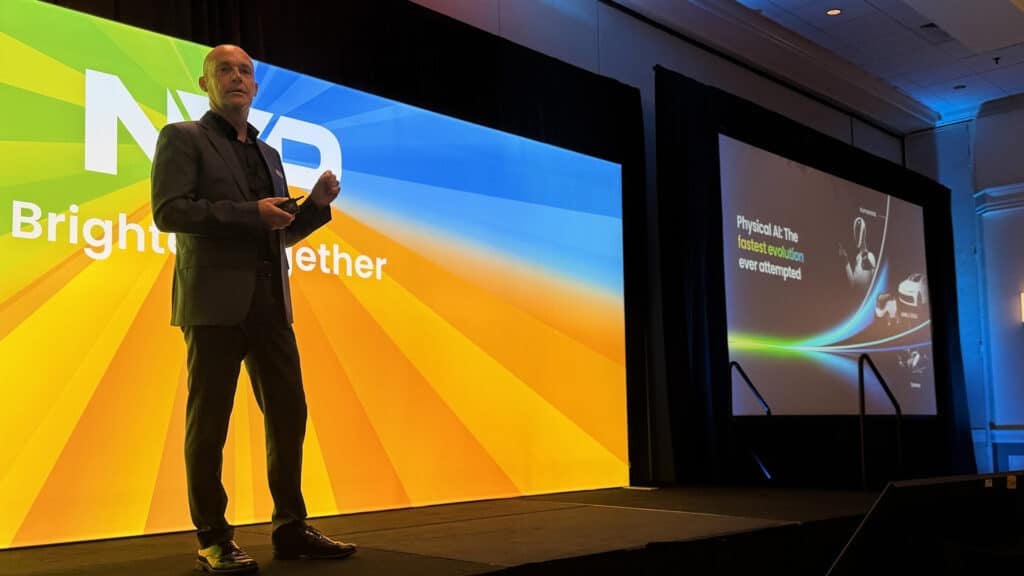
Brendan Burke and Olivier Blanchard, Research Directors at Futurum, share their insights from NXP Tech Days Silicon Valley, where reference designs from humanoid hands to a four-board MCX A5 networking...
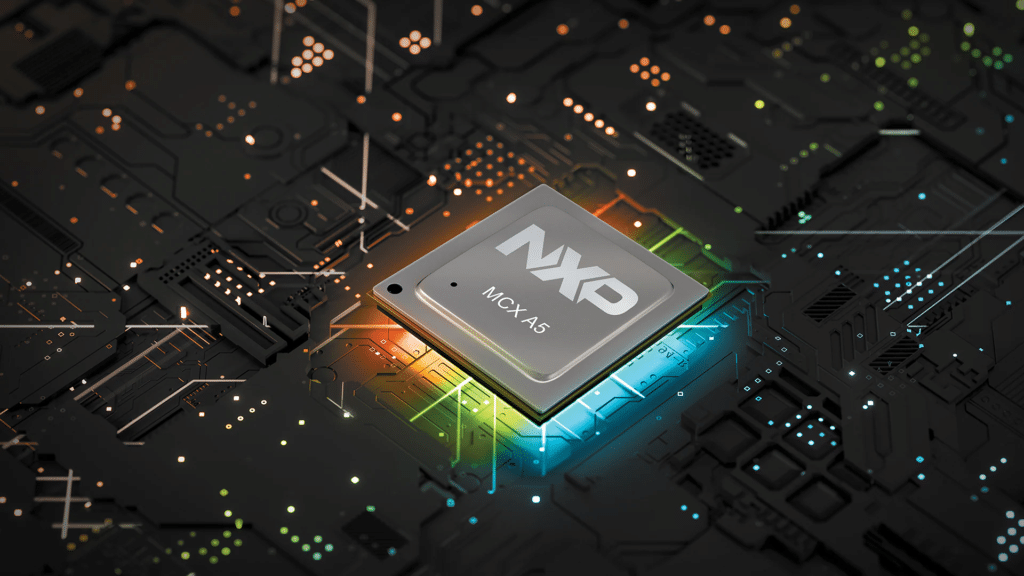
Brendan Burke and Olivier Blanchard, Research Directors at Futurum, share their insights on why NXP's MCX A5, the first MCU to combine a 10BASE-T1S digital PHY, topology discovery, and post-quantum...
Google's Pixel 11 series features the Tensor G6 chip, delivering advanced AI and enhanced photography. Starting at $899, these devices redefine smartphones through personalized AI and superior camera performance....
Olivier Blanchard, Research Director & Practice Lead, Intelligent Devices with Futurum, analyzes ASUS Q2 FY 2026 earnings, focusing on AI server revenue doubling, and how agentic AI compute positions the...
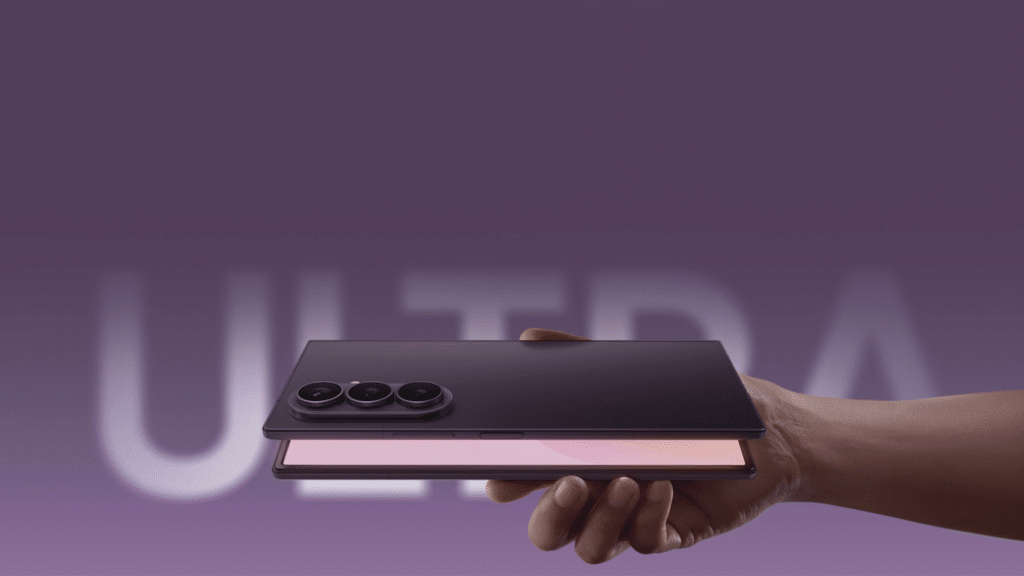
Olivier Blanchard, Research Director at The Futurum Group shares insights on whether Samsung Flex Titanium can reduce crease visibility without creating new foldable compromises....
Olivier Blanchard, Research Director & Practice Lead, Intelligent Devices at Futurum, analyzes how SiTime's acquisition of Renesas' timing business consolidates 30 years of clocking legacy with innovative MEMS technology....
Futurum analysts Olivier Blanchard and Brad Shimmin on the moment the car stopped being a car, and why the sharpest pushback isn’t about EVs, autonomy, or subscriptions at all. From...
Olivier Blanchard, Research Director & Practice Lead, Intelligent Devices at Futurum, Tesla faces mounting pressure to sustain AI and robotics investments while managing negative free cash flow amid intense automotive...
ASUS launches ROG Gjallar, a gaming soundbar with Dolby Atmos and AI-powered echo cancellation, signaling that intelligent audio endpoints are the next gaming frontier....
The vision behind everything in Futurum’s Custom Research practice is this: research should show you what is happening, what comes next, and what to do about it. It should be personal to each audience, easy for people to grasp, and structured so LLMs can reason over it accurately. And it should be fast and turnkey; you want answers now, not another project to carry for quarters.
Whether you are defining business, channel, or go-to-market strategy; evaluating vendors or justifying ROI; or commissioning research to fill an emerging market need, we have your back, with a program that answers your questions with the objectivity and credibility to drive real decisions.
To do it, we bring unmatched data to bear: Futurum research, surveys, and market projections; validated market feeds; ETR’s 15 years of insight from 10,000 technology decision-makers; G2’s buyer and user data; and what our analysts hear every day. Add leading primary collection, from AI-moderated voice interviews to surveys and analyst-led interviews, all turnkey, and every project comes out credible, nuanced, and actionable.
And we don’t just drop the results in your lap. For internal work, we provide analyst-led sessions, interactive dashboards, and a range of formats. For market-facing work, Futurum delivers turnkey activation and amplification that actually gets seen, by people and by LLMs, through our media and share of voice. This is research that moves decisions and markets.
We will meet you wherever you are, from a fast-turn brief to a multi-year program, and shape the work to your goals, timeline, and budget. The right program for your moment.
Get important insights straight to your inbox, receive first looks at eBooks, exclusive event invitations, custom content, and more. We promise not to spam you or sell your name to anyone. You can always unsubscribe at any time.
Thank you, we received your request, a member of our team will be in contact with you.