Analyst(s): Brad Shimmin
Publication Date: October 15, 2026
What Is Covered in This Article:
- Microsoft’s strategy to align operational database estates with the demands of enterprise agentic AI.
- Centralized fleet observability and AI-driven DBA remediation via Database Hub and Database Agents.
- Engine scalability and vector unification across Azure SQL Database Hyperscale and native DiskANN.
- The operational shift from passive read-only retrieval toward safe transactional write-back loops.
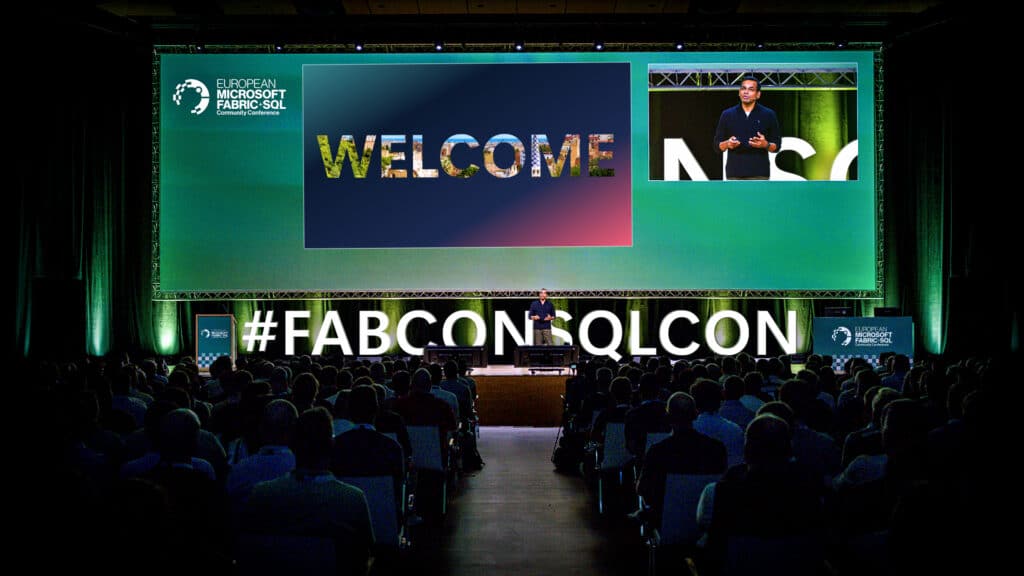
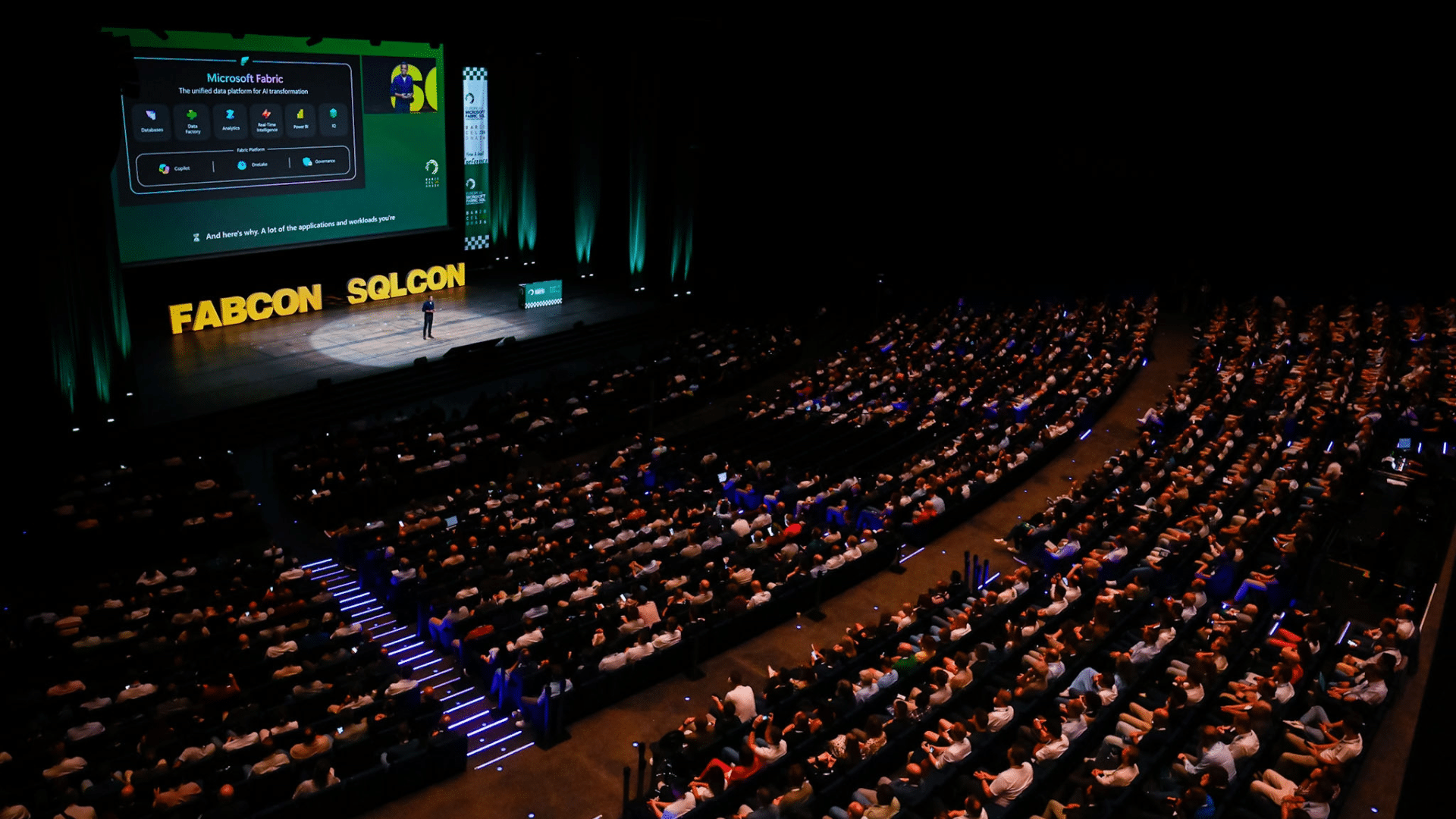
The Event—Major Themes & Vendor Moves: At the European Microsoft Fabric and SQL Community Conference (FabCon & SQLCon 2026) in Barcelona, Microsoft announced a comprehensive expansion of its database and operational infrastructure portfolio. The company introduced Database Hub in public preview, delivering a centralized management plane across SQL Server, Azure SQL Database, PostgreSQL, Cosmos DB, and Fabric SQL Database. Complementing this fleet-wide visibility, Microsoft previewed Database Agents for SQL and PostgreSQL, bringing autonomous root-cause diagnostics and query optimization into Database Hub and Visual Studio Code. In addition, Microsoft made SQL Server on Azure Local and Azure Local Disconnected Operations (ALDO) generally available, providing fully functional, cloud-managed database operations for sovereign, air-gapped environments.
To support high-throughput analytical and transactional demands, Microsoft announced the general availability of the 192-vCore compute tier as well as high-density elastic pools (currently in preview and capable of supporting up to 50 databases per pool) for Azure SQL Database Hyperscale, alongside a public preview of serverless auto-pause. The company also made native DiskANN vector indexing generally available in T-SQL across Azure SQL Database, Azure SQL Managed Instance, and Fabric SQL Database, with automatic data manipulation language (DML) indexing updates performed directly within the relational engine.
Microsoft FabCon And SQLCon Europe: Microsoft Looks to Modernize Disparate Database Estates
Analyst Take—Reclaiming Relational Gravity from Specialized Vector Silos: While Microsoft spent a great deal of time at FabCon and SQLCon establishing enterprise context layers through Fabric IQ and unified ontologies, the technical unveilings in Barcelona paint a compelling picture of the operational engine room beneath the semantic surface. For the last few years, database administrators operated in defensive mode, guarding core transactional stores while application developers spun up external, specialized vector databases to support generative AI pilots. That fragmentation introduced synchronization latency, doubled storage costs, and created blind spots in security architectures.
Microsoft is systematically attempting to reverse that sprawl by re-anchoring enterprise data gravity inside the relational core. To illustrate, integrating DiskANN vector indexing natively into T-SQL with automatic DML updates eliminates the operational tax of running separate extraction pipelines to external vector stores. When underlying tables are updated, vector indexes synchronize immediately within the relational engine’s boundary. Backing this with Azure SQL Database Hyperscale, which scales to 192 vCores and includes 30 named read replicas sharing underlying storage page servers, the company is promising sub-10ms vector query latencies required by real-time applications. Rather than forcing enterprises to rewrite transactional systems, Microsoft is enhancing the relational engine to natively handle unstructured retrieval and high-concurrency analytical queries.
Overcoming the Transactional Write-Back Bottleneck
Enterprises adopting AI desperately want to move past basic question-answering systems into autonomous, multi-step agents that execute business actions. However, operationalizing these workloads introduces immense governance friction. According to the Futurum Intelligence 1H 2026 Data Intelligence, Analytics, and Infrastructure Decision Maker Survey Report, 24.6% of organizations cite the inability of AI agents to write back to systems of record as their primary data infrastructure bottleneck. Handing unconstrained write access to probabilistic models presents a serious threat to data integrity, compliance, and system availability.
Microsoft hopes to address this operational hurdle through Database Hub and autonomous Database Agents. Instead of treating database monitoring as a passive log exercise, Database Agents analyze Intelligent Query Processing telemetry and validate prospective schema optimizations or index changes. By testing modifications on mirrored copies before routing them through role-based access control workflows for human sign-off, Microsoft establishes a practical supervised autonomy framework. In this way, data professionals can more freely transition from reactive scriptwriters to supervisory architects, overseeing autonomous agents that optimize fleet performance while maintaining rigorous production safety rails.
What to Watch:
- Heterogeneous Engine Adoption in Database Hub: Monitor whether enterprise fleet managers embrace Database Hub as a true multi-cloud control plane for PostgreSQL and Cosmos DB workloads, or treat it primarily as a SQL Server management utility.
- Consolidation of Standalone Vector Databases: Track whether the general availability of native DiskANN indexing in T-SQL leads enterprise IT teams to decommission dedicated, niche vector platforms in favor of their existing relational footprints.
- Production Write-Back Autonomy Milestones: Watch how organizations transition Database Agents from advisory diagnostic modes into automated, closed-loop operational workflows that execute live schema and query rewrites without manual intervention.
- Sovereign Cloud Deployments in Highly Regulated Sectors: Observe customer adoption of Azure Local Disconnected Operations across defense, healthcare, and European public-sector organizations that require cloud-native database functionality within air-gapped environments.
You can watch the keynote and read more on the announcements made at Microsoft FabCon & SQLCon in Barcelona on the company’s website.
Disclosure: Futurum is a research and advisory firm that engages or has engaged in research, analysis, and advisory services with many technology companies, including those mentioned in this article. The author does not hold any equity positions with any company mentioned in this article.
Analysis and opinions expressed herein are specific to the analyst individually and data and other information that might have been provided for validation, not those of Futurum as a whole.
Other Insights From Futurum:
AWS Embeds DuckDB in Aurora to Collapse Operational and Lakehouse Silos
Beyond Retrieval: CData Connect AI Gateway Tackles Transactional Agents
The Context Bottleneck: Where AI Buyers Struggle, the Market Accelerates
Featured Image: Microsoft
Author Information

Brad Shimmin is Vice President and Practice Lead, Data Intelligence, Analytics, & Infrastructure at Futurum. He provides strategic direction and market analysis to help organizations maximize their investments in data and analytics. Currently, Brad is focused on helping companies establish an AI-first data strategy.
With over 30 years of experience in enterprise IT and emerging technologies, Brad is a distinguished thought leader specializing in data, analytics, artificial intelligence, and enterprise software development. Consulting with Fortune 100 vendors, Brad specializes in industry thought leadership, worldwide market analysis, client development, and strategic advisory services.
Brad earned his Bachelor of Arts from Utah State University, where he graduated Magna Cum Laude. Brad lives in Longmeadow, MA, with his beautiful wife and far too many LEGO sets.