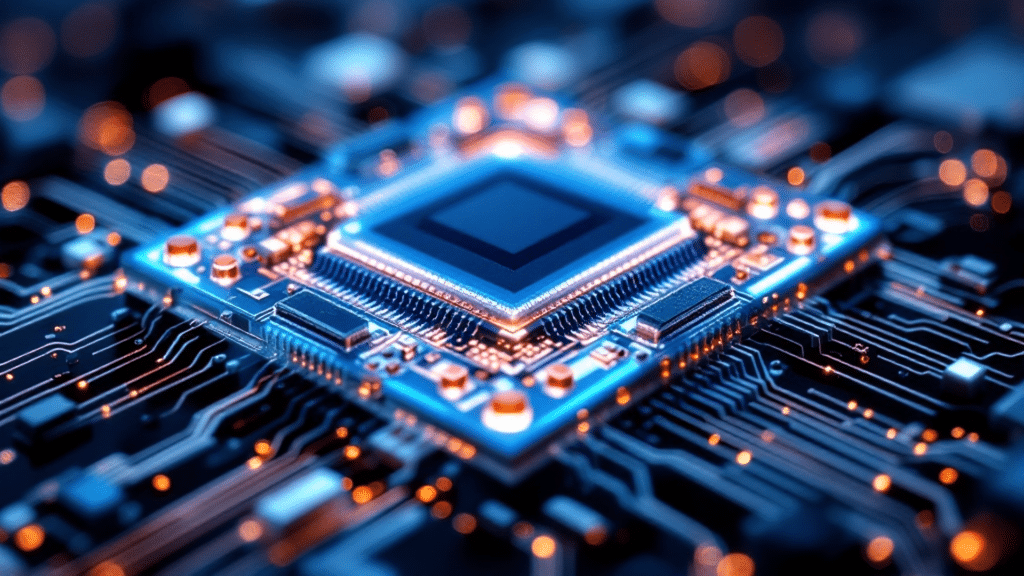
The News: Intel announced its 13th Gen Intel Core mobile processors that are designed to deliver improved performance and experiences to mobile platforms. Intel introduced 32 new 13th Gen Intel Core mobile processors with new features and capabilities for all laptop segments including the 13 Gen Intel Core H-series mobile processors. Read the Intel Press Release here.
CES 2023: Intel Unleashes 13th Gen Core Mobile Processors Aimed at Elevating Mobile Platform Experiences
Analyst Take: Intel’s new 13th Gen mobile processors (codenamed Raptor Lake) are aimed primarily at transforming the overall laptop experience including thin light laptops, gaming notebooks, as well as Internet of Things (IoT) devices. The new mobile processor suite comes in four types: HX, H-series, P-series, and U-series, ordered from highest to lowest in terms of power and performance targets although fulfilling specific customer requirements can create some variance.

Source: Intel
Intel’s new 13th Gen Intel Core H-series and HX-series mobile processors includes what the company is touting as the industry’s first 24-core processor for a laptop. When combined with capabilities such as Double Data Rate (DDR)4 and DDR5 memory, Peripheral Component Interconnect express (PCIe) Gen 5, and robust connectivity, the 13th Gen HX processors are designed to fulfill the most demanding mobile gaming platform requirements. With up to 5.6 gigahertz (GHz) turbo frequency, the new solution delivers up to 11% faster single-thread performance and 49% faster multitask performance over the previous generation.
Intel debuted a lineup of 13th Gen Intel desktop processors at the 65-watt and 35-watt levels for mainstream desktop, all-in-one, small form-factor designs and IoT devices. Of note, the new Intel Processor N-Series is targeting entry-level education and mainstream laptops, desktops, and edge native applications. Also, Intel unveiled new Intel Evo laptop specs that support more enduring real-world battery life as well as enhanced multidevice experience, Intel Unison.
Key features of the HX/H-series include up to 24 cores (8 Performance-core, 16 Efficient-cores), 32 threads, and enhanced Intel Thread Detector technology, co-designed with Microsoft, which is the company’s hardware-based scheduler that has visibility into the type of threads being scheduled including sending background tasks to the small cores and performance-requiring tasks to the performance cores.
From my perspective, the 24-core design gives Intel an immediate sales and marketing differentiator against key rival AMD as its top-end Ryzen 9 7950X desktop processor currently uses up to only 16 cores. Plus, Intel is using revisions in its 7-process node silicon to boost clock speeds higher while also improving key power efficiency metrics.
Intel is now etching the cores on a new, larger die with more cores and L3 cache while also exposing unused L2 cache, which contributes toward Intel’s ability to make performance edge claims over AMD Ryzen 7000 processors. By offering faster P-cores and more E-cores with support for DDR4/DDR5 and PCIe 4.0/5.0, Intel now offers a platform that can deliver breakthrough multitasking capabilities and broader choice for configurability.
Key Takeaways: Intel 13th Gen Mobile Processors Ready to Drive New Laptop and Gaming Innovation
I expect that Intel’s 13th Gen mobile processors can make further inroads throughout the gaming and creator communities since it’s built for gamers seeking maximum performance across the latest games (i.e., endurance gaming), while simultaneously having the capabilities to support a wide array of other workloads. For mobile applications, I see the new offering augmenting the ability to stream video, play music, and encode video all while gaming on demand.
Intel indicated it expects more than 60 HX-gaming laptops as well as over 250 different laptop models developed across the remaining mobile processors consisting of top-tier laptop players such as HP, Dell, Lenovo, Razer, Asus, MSI, and Acer. Overall, I believe Intel’s hybrid P-core/E-core architecture can deliver the breakthrough performance key to enabling creators, gamers, and users to stream, browse, edit, video chat, and take care of business with unparalleled experience.
Disclosure: Futurum Research is a research and advisory firm that engages or has engaged in research, analysis, and advisory services with many technology companies, including those mentioned in this article. The author does not hold any equity positions with any company mentioned in this article.
Analysis and opinions expressed herein are specific to the analyst individually and data and other information that might have been provided for validation, not those of Futurum Research as a whole.
Other insights from Futurum Research:
Intel Q3 2022 Results: Return to Profitability Points to Progress in Turnaround
How Micron’s Innovative Solutions & Strategies are Driving Intelligent Edge, IoT, Embedded Security
Image Credit: design.tagebuch.de
Author Information

Ron is an experienced, customer-focused research expert and analyst, with over 20 years of experience in the digital and IT transformation markets, working with businesses to drive consistent revenue and sales growth.
Ron holds a Master of Arts in Public Policy from University of Nevada — Las Vegas and a Bachelor of Arts in political science/government from William and Mary.