Analyst(s): Olivier Blanchard
Publication Date: June 10, 2026
MediaTek, FOXTRON, and NVIDIA have announced a multi-year collaboration to deploy the Dimensity AX C-X1 platform in premium vehicle solutions. The agreement highlights how AI-defined vehicle architectures increasingly rely on integrated compute, connectivity, and AI ecosystems.
What is Covered in This Article:
- MediaTek and FOXTRON announced a global, multi-year collaboration to integrate the Dimensity AX C-X1 platform into premium automotive solutions.
- The 3nm platform combines MediaTek compute and connectivity capabilities with NVIDIA GPU, AI, and graphics technologies.
- The platform supports multimodal interaction, Agentic AI, advanced safety functions, 5G telematics, Wi-Fi, Bluetooth connectivity, and intelligent cockpit environments.
- The collaboration aligns with MediaTek’s broader AI-defined vehicle strategy introduced through its Active Intelligent Cockpit Solution.
- The agreement reflects growing industry focus on integrating AI, connectivity, software ecosystems, and vehicle platforms into a unified architecture.
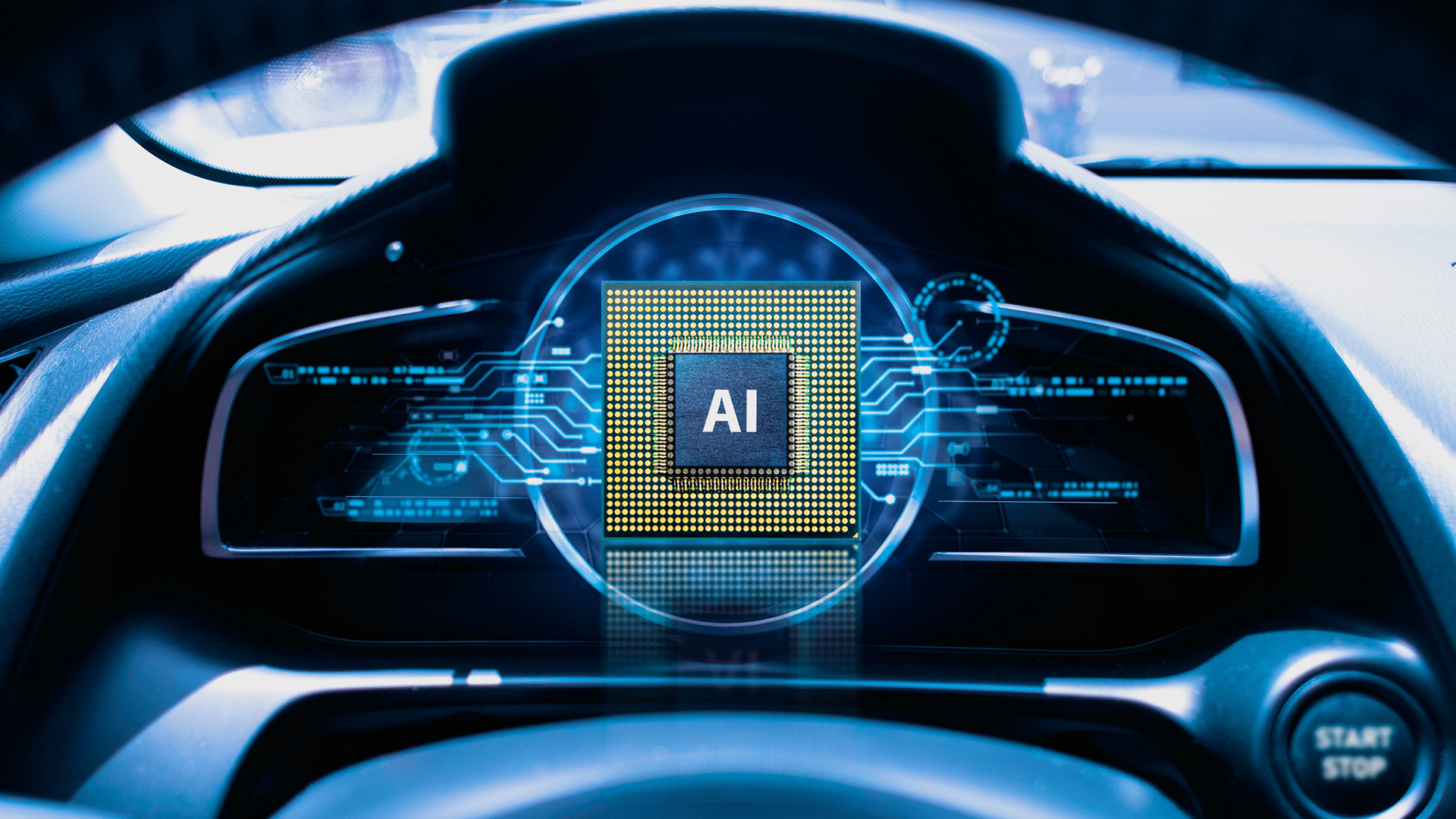
The News: MediaTek announced a strategic collaboration with FOXTRON Vehicle Technologies, a subsidiary of Hon Hai Technology Group (Foxconn), to accelerate the development of AI-powered intelligent vehicles. Under the global, multi-year partnership, FOXTRON will integrate the MediaTek Dimensity AX C-X1 platform into premium automotive solutions across its ecosystem. The platform combines MediaTek’s semiconductor and connectivity technologies with NVIDIA GPU, AI, and graphics technologies to support intelligent cockpit experiences, advanced safety functions, multimodal interaction, telematics, and Agentic AI-powered driver and passenger experiences.
The announcement builds on MediaTek’s broader automotive strategy introduced earlier this year through its Active Intelligent Cockpit Solution. MediaTek previously positioned the Dimensity Auto Cockpit Platform C-X1 as the foundation for AI-defined vehicles, highlighting capabilities including up to 400 TOPS of AI computing power, NVIDIA Blackwell GPU architecture support, NVIDIA CUDA ecosystem compatibility, edge-cloud orchestration, advanced connectivity technologies, and AI-powered cockpit applications. The FOXTRON collaboration represents a significant deployment of that platform strategy within a commercial vehicle ecosystem.
Does FOXTRON’s Adoption of Dimensity AX C-X1 Validate MediaTek’s Automotive Ambitions?
Analyst Take: MediaTek’s partnership with FOXTRON is noteworthy because it moves the company’s automotive strategy beyond platform development and into vehicle deployment – an area where MediaTek seemed to be struggling with until now. The collaboration combines MediaTek’s semiconductor and AI capabilities, NVIDIA’s AI and graphics technologies, and FOXTRON’s EV platform and manufacturing expertise within a single automotive ecosystem.
The companies are positioning the agreement around AI-defined vehicle architectures, which require greater integration between compute, connectivity, software, and vehicle platforms. While intelligent cockpit functionality remains the immediate focus, the announcement also highlights how automotive technology stacks are becoming increasingly dependent on collaboration across multiple technology providers. This deployment provides one of the clearest examples to date of how MediaTek intends to translate its AI-defined vehicle strategy into commercial automotive programs, much as competitor Qualcomm has in recent years.
The Automotive Opportunity Extends Beyond Traditional Semiconductor Cycles
The collaboration arrives as automotive continues to stand out as one of the strongest long-term growth segments within the broader semiconductor industry. According to Futurum’s 1H 2026 Intelligent Devices Market Sizing & Five-Year Forecast, automotive semiconductor revenue is projected to increase from $41.9 billion in 2025 to $56.6 billion by 2030 in the base case, making Automotive the only destination growing with structural certainty across all forecast scenarios.
MediaTek’s decision to expand its automotive presence through a multi-year partnership with FOXTRON aligns with that trend. The company is targeting a market where increasing silicon content per vehicle continues to drive demand for advanced computing, connectivity, and AI capabilities. As vehicles incorporate more intelligent functions, automotive platforms are becoming a larger and more strategic destination for semiconductor vendors.
The C-X1 Platform Combines Compute, Connectivity, and AI Into a Single Architecture
The FOXTRON announcement highlights how automotive platforms are evolving beyond standalone processors and toward integrated technology stacks. The Dimensity AX C-X1 combines AI computing, multimedia, connectivity, and software ecosystem support within a single platform built on a 3nm process. The platform currently delivers up to 400 TOPS of AI computing power, supports Multi-Process Service functionality for concurrent AI workloads, and integrates NVIDIA Blackwell GPU architecture and deep learning accelerators. MediaTek also supports the platform through its NeuroPilot SDK, Model Hub resources, and optimization technologies designed to improve AI deployment efficiency. The result is a platform strategy that extends beyond hardware specifications and focuses on enabling a broader intelligent cockpit ecosystem.
NVIDIA’s Software Ecosystem Strengthens the Platform’s Position
NVIDIA’s involvement contributes more than graphics acceleration and AI processing capabilities. MediaTek has emphasized compatibility with the NVIDIA CUDA ecosystem, which provides access to a widely used AI development environment for deploying multimodal models and AI applications.
The company stated that automakers can use the platform to bring advanced multimodal large language models and AI-powered experiences to market more efficiently. Combined with MediaTek’s AI development tools and software resources, the partnership creates a platform that addresses both hardware deployment and software development requirements. This integration is important because automotive AI adoption increasingly depends on access to software ecosystems as much as underlying silicon performance.
Another solid collaboration with NVIDIA also serves to elevate MediaTek’s positioning in the space and validate its solutions’ viability against competitors. NVIDIA opens doors that MediaTek might have otherwise struggled to open as quickly, if at all, especially in automotive, and particularly as Tesla’s loss of momentum in L4/L5 technologies invites other carmakers and their technology partners to take the lead.
Intelligent Cockpits Are Becoming a Strategic Battleground
The broader significance of the announcement centers on MediaTek’s vision of the intelligent cockpit: Earlier this year, the company described intelligent cockpits as evolving from passive interfaces toward active intelligent agents capable of multimodal interaction, environmental awareness, proactive services, and personalized experiences. The C-X1 platform supports this direction through features that include voice, visual, and environmental sensing APIs, edge-cloud orchestration, connectivity integration, and Agentic AI functionality.
FOXTRON’s adoption of the platform suggests that vehicle manufacturers are actively evaluating architectures built around those capabilities. As a result, intelligent cockpits are increasingly becoming a primary area where semiconductor vendors, AI providers, and automotive manufacturers compete to differentiate future vehicle experiences. And while MediaTek is a relatively late entrant into the space, its presence is a welcome addition to an often slow-moving ecosystem that, in my view, stands to benefit from more silicon diversity, competition, and choice.
What to Watch:
- The timing and scale of FOXTRON vehicle deployments that incorporate the Dimensity AX C-X1 platform.
- Whether additional OEMs and Tier 1 suppliers adopt platforms that combine AI compute, connectivity, software tools, and ecosystem support within a single architecture.
- MediaTek’s progress in expanding its Active Intelligent Cockpit Solution beyond premium vehicle deployments.
- Adoption of NVIDIA-based automotive AI ecosystems as automakers evaluate multimodal AI and intelligent cockpit applications.
- Development of MediaTek’s next-generation automotive roadmap, including the company’s planned 2nm in-car cockpit chip.
See the complete press release on the FOXTRON and MediaTek collaboration to advance AI-powered intelligent vehicle experiences on the MediaTek website.
Declaration of generative AI and AI-assisted technologies in the writing process: This content has been generated with the support of artificial intelligence technologies. Due to the fast pace of content creation and the continuous evolution of data and information, The Futurum Group and its analysts strive to ensure the accuracy and factual integrity of the information presented. However, the opinions and interpretations expressed in this content reflect those of the individual author/analyst. The Futurum Group makes no guarantees regarding the completeness, accuracy, or reliability of any information contained herein. Readers are encouraged to verify facts independently and consult relevant sources for further clarification.
Disclosure: Futurum is a research and advisory firm that engages or has engaged in research, analysis, and advisory services with many technology companies, including those mentioned in this article. The author does not hold any equity positions with any company mentioned in this article.
Analysis and opinions expressed herein are specific to the analyst individually and data and other information that might have been provided for validation, not those of Futurum as a whole.
Other Insights From Futurum:
MediaTek Analyst Day 2026 – Is the New MediaTek Ready to Move Upmarket to AI PCs and Data Center?
Market News Coverage: MediaTek Expands into Micro LED Optical Communication
POCO and MediaTek Aim to Redefine Mid-Tier Performance Expectations in the Mobile Segment
Author Information

Olivier Blanchard is Research Director, Intelligent Devices. He covers edge semiconductors and intelligent AI-capable devices for Futurum. In addition to having co-authored several books about digital transformation and AI with Futurum Group CEO Daniel Newman, Blanchard brings considerable experience demystifying new and emerging technologies, advising clients on how best to future-proof their organizations, and helping maximize the positive impacts of technology disruption while mitigating their potentially negative effects. Follow his extended analysis on X and LinkedIn.