The Six Five team discusses Amazon Devices.
If you are interested in watching the full episode you can check it out here.
Disclaimer: The Six Five Webcast is for information and entertainment purposes only. Over the course of this webcast, we may talk about companies that are publicly traded and we may even reference that fact and their equity share price, but please do not take anything that we say as a recommendation about what you should do with your investment dollars. We are not investment advisors and we do not ask that you treat us as such.
Transcript:
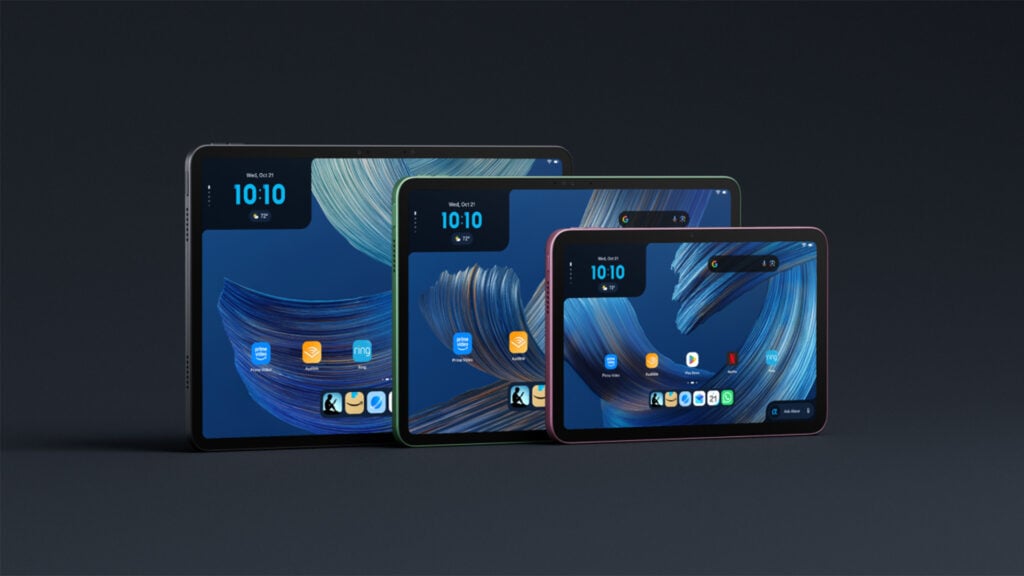
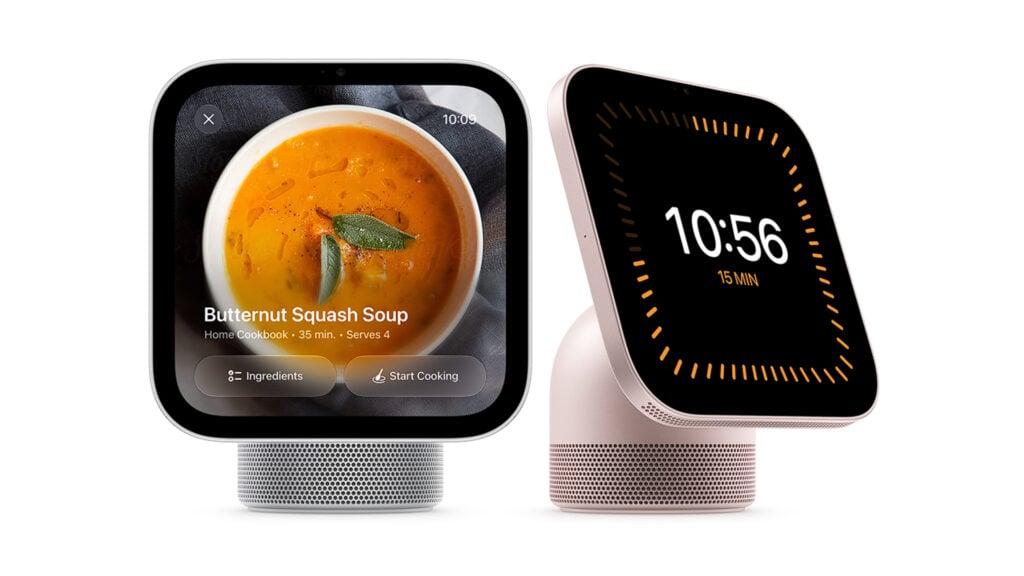
Daniel Newman: So Amazon devices, it wasn’t an Alexa. Now I get confused, because Amazon does lots of events, but Amazon had a pretty wildly big launch. I’ve got a list here. I’m not going to read the news. I’m going to focus a little bit on what caught my attention. But basically new Kindles, new sleep technologies, a new TV series of intelligent TVs, super competitive, a new Fire, a new remote, a new Echo, some cool little Echos. They have some automotive technology for intelligence and security. You’ve got SD case for Astro, the robot, that can monitor your pets, Pat. You’re going to love that. Because now you can have your dogs, your robot can follow your dogs around and you can make sure that they’re cozy and comfortable when you’re away from the office. For anyone who doesn’t know, Pat loves his dogs.
I have pictures of Pat making out with his dogs. It’s weird, but whatever makes you happy. And then a whole bunch of other, they have a new Ring security guard, they’ve got, by the way, some new Alexa in techno. We did the car thing with Qualcomm. Well BMW is going to use Alexa in its next generation vehicle. So lots of things going on. Let me talk about a couple that caught my attention and then I’ll leave a couple for you. I thought the Kindle Scribe is super cool. I’m a big reader, but not on digital. I don’t do a lot of books on digital. I still like paper books. But what I will say is that Kindle always was better, in my opinion, for reading, learning than an iPad. First of all, I like the idea of the Kindle Scribe’s super cool for students.
It just immediately caught my attention. The younger generations prefer digital technology, for sure, to paper. Never had it for their whole lives. But the ability to do interaction with your taking notes. I’m a visual learner, so I’ll read, and taking notes as I read, is one of the best ways to make sure that I actually grasp what I’m doing. So the Scribe is a great way to do that. It’s a point solution. Think about adding a textbook on there, being able to go in, in real time, write your notes and engage. Love that. Probably the coolest thing, Pat, that I saw, was the Halo Rise. Now you are a big sleep monitor guy. I’m not. I’m a feel person, so I don’t wear anything to tell me, I know when I feel like crap. I didn’t sleep well. With the Halo.
What I loved about it was, it’s a low power radar.
A lot of these tools by your bedside, they’re using microphones. I don’t want to know what I’m saying when I’m sleeping. And then they use cameras. And so the idea of using this low power radar, and I love the way they’re leveraging AI to basically help people wake up more gracefully. So I do still use an alarm that wakes me up at the same time every day. Having said that, if you can adjust that wake up by five, seven minutes, and wake up at the opportune moment versus being awaken in a deep sleep, that can make a huge difference on how your day starts. So I really like that technology. And by the way, at $140, it’s not very expensive. And then the last thing I’ll just talk to is, I do really think they’re doing great with these QLED TVs.
I’ve been a Samsung user for a long time. Had a chance to talk to the executive team at Amazon ahead of this, talked to David. These new QLEDs with the Fire, these smart TVs, you’re basically taking the Echo show, and what they’re doing on that screen and saying, let’s put it on the TV so if people don’t have the extra show devices, they still have all those tools and capabilities. And let’s be candid what this is all about people, this is about the data. This is about the data of immersing ourselves in our lives with Amazon in our homes.
You can shop in real time, you can pick your favorite music, pick your shows, engage with all the things that a smart TV allows you to, check the weather, see the schedule, the productivity. This is a convenience thing. And this is really about the smarter home of the future, and enabling, not just the wealthy and the lifestyles of the rich and famous, to have nice stuff in their homes. These smart televisions are going to fully integrate our lives, our technologies. With the Amazon, the Alexa, you talk to it, you engage with it, and it’s pretty inexpensive. All things considered, Pat, good launch.
Patrick Moorhead: Yeah. I didn’t have the chance to immerse myself in this yet. I’ll probably do this, this weekend and watch the videos. But what I’m fascinated about is, first of all, the number of products that are coming out is just absolutely inspiring. They went smaller, better, faster with Echo and Ring Spotlight, Fire TV Cube and their Omni QLED series TVs. But I’m most fascinated with Halo Rise, the Sleep Tracker. The Halo Rise and the Kindle scribe. So on the sleep tracker, Amazon really hasn’t hit it out of the park in relation to health wearables. Right? It’s interesting, I don’t make a direct line between Amazon’s potential acquisition in the healthcare space and these devices, but you have to at least look at it from a dotted line, whether that’s wrist wearable, whether that’s Ring, that you wear or something like this sleep tracker. All of it is about health and wellness.
And I wouldn’t be surprised if the back end of the Halo Rise sleep tracker is maybe try a new bed, or maybe you’re too hot, buy a new mattress, or buy a heated blanket, or go to bed early, or take this supplement like melatonin. It’s really the only way that Amazon can keep these types of businesses going. Now that’s very different from the Kindle Scribe, which is not really about advertising. And it’s so funny, I’ve seen people, I forget the name of the competitor off hand, but I’ve been starting to see what essentially looks like an electronic notepad. Ironically enough, I was working on an electronic notepad in 1993 with AT&T Bell Labs, when I was at NCR. And we called it HANK, Handwriting Automated Note Keeper, which I know is a mouthful, but this is definitely an extension of the Kindle reader, and I am absolutely fascinated to see where this goes.
So here’s what happened, we are still using legal pads. And you ask yourself, Well why are we doing that and why aren’t we using a tablet? Well, first of all is battery life. The best that an iPad would do would be 10 hours. And we know that. The other thing is you typically have an iPad in a case and you have to pull it out, so your mind multiplies conveniences and inconveniences, and the inconveniences of having to take out an iPad out of its case because you don’t want to break this thing, versus a Kindle, which people barely ever have in cases is multiplied in your head.
So I’m really interested in using this device, seeing if it’ll change. My writing is terrible, and I’ve been taking type notes for over 20 years. But the question is, will this bring the masses over the hump and replace their legal pads? Because legal pads is still, to this day, maybe the exception is that the engineering book, as we see a lot in our tech journeys, but yeah, I want to use it. I want to use all these devices. Bring it on, and I will be writing my analysis up on Forbes soon.
Daniel Newman: I’ll be interested if it gets used that way. Like I said, I see a lot more book club, students. I don’t know. This is where I do see the large iPads. And by the way, the surfaces with the… I don’t know if people are going to bring this as well in the enterprise, but the Amazon stuff tends to be super consumer, meaning it really does because the price points hit, the Echoes are 30 bucks, 50. You know what I mean? People bring this stuff in for consumers to experience next level technologies. We’ll see how it goes.
Author Information

Daniel is the CEO of The Futurum Group. Living his life at the intersection of people and technology, Daniel works with the world’s largest technology brands exploring Digital Transformation and how it is influencing the enterprise.
From the leading edge of AI to global technology policy, Daniel makes the connections between business, people and tech that are required for companies to benefit most from their technology investments. Daniel is a top 5 globally ranked industry analyst and his ideas are regularly cited or shared in television appearances by CNBC, Bloomberg, Wall Street Journal and hundreds of other sites around the world.
A 7x Best-Selling Author including his most recent book “Human/Machine.” Daniel is also a Forbes and MarketWatch (Dow Jones) contributor.
An MBA and Former Graduate Adjunct Faculty, Daniel is an Austin Texas transplant after 40 years in Chicago. His speaking takes him around the world each year as he shares his vision of the role technology will play in our future.