
Austin, Texas, USA, August 13, 2026
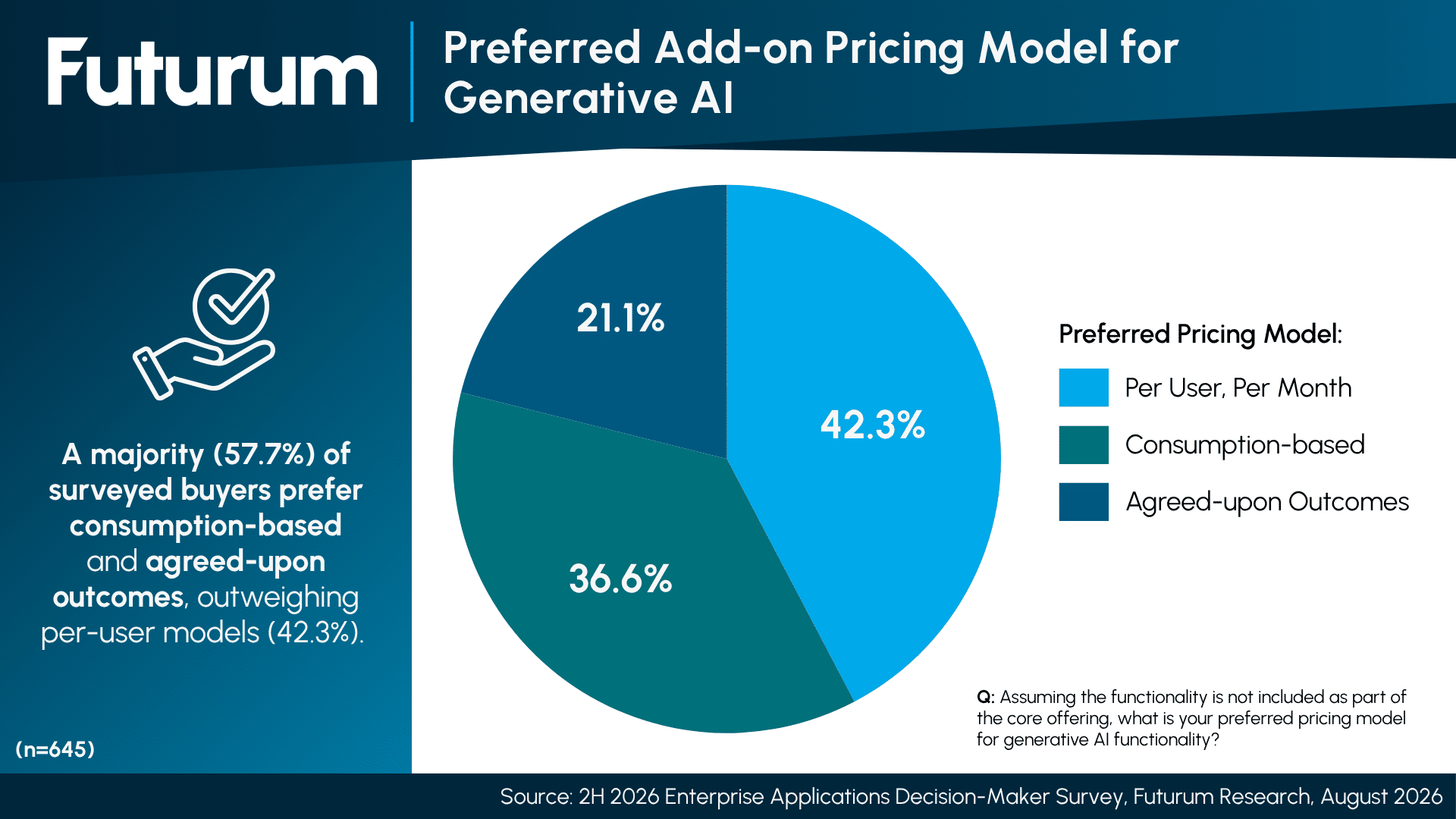
According to Futurum Research’s newly released 2H 2026 Enterprise Applications Market Sizing & Five-Year Forecast and the companion 2H 2026 Enterprise Applications Decision Maker Survey (N=833 enterprise IT decision-makers globally with budget or purchase authority for enterprise applications), the market compounds from $592.4B in CY2025 to $1,103.2B by CY2031, a 10.9% CAGR under the Base case. At the same time, when generative AI is delivered as an add-on to existing applications, only 42.3% of buyers prefer per-user, per-month pricing, while 57.7% prefer either consumption-based (36.6%) or agreed-upon outcome (21.1%) models (n=645).
Figure 1: Enterprise Application Submarket Revenue, CY2025 vs. CY2031 Base Case
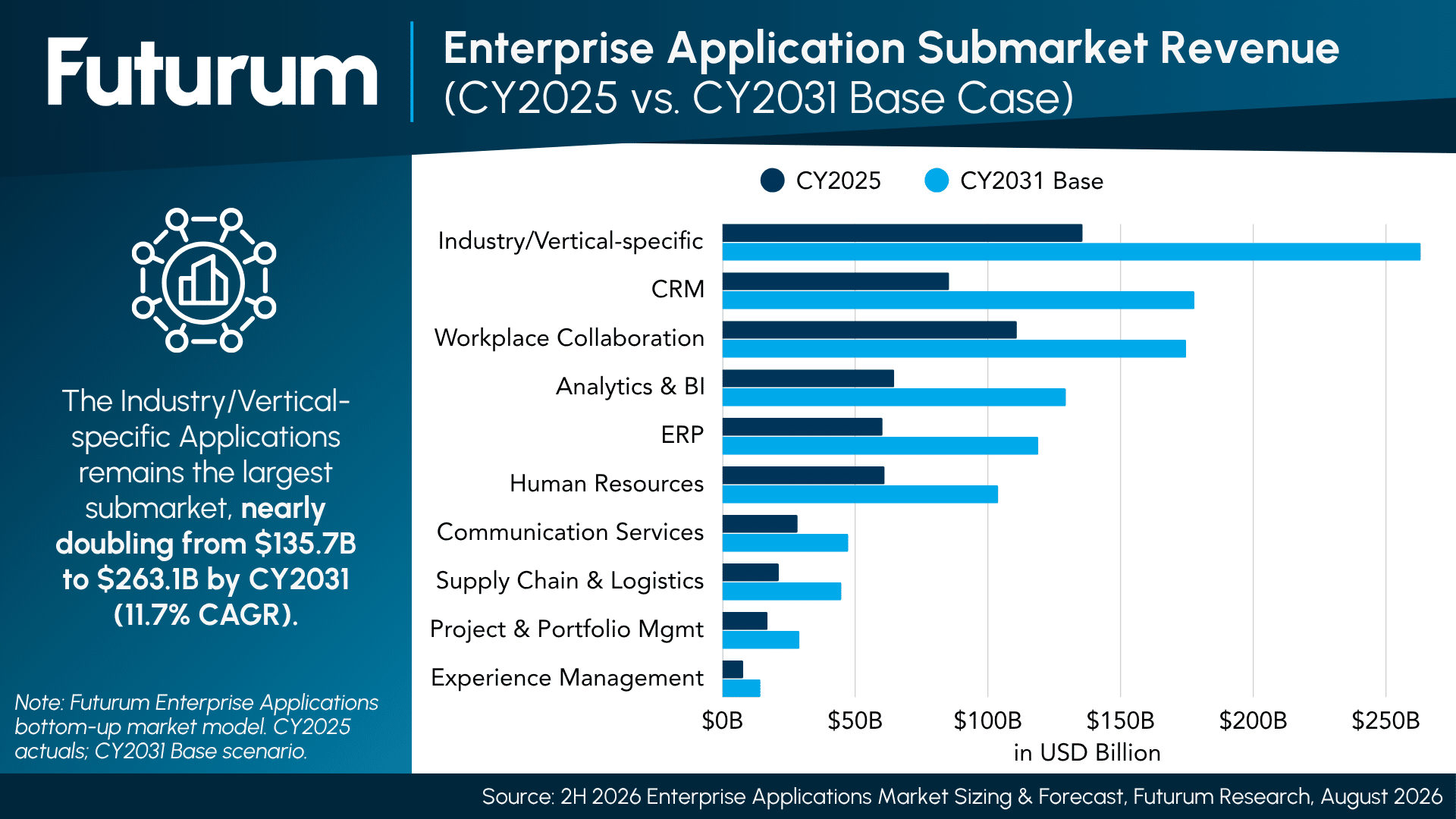
Figure 2: Preferred Add-on Pricing Model for Generative AI
“The market is on a clear path to a trillion dollars inside six years, but the more consequential question is not whether the spend arrives. It is how the AI layer that sits inside those applications is priced. A majority of buyers now prefer consumption or outcome models for generative AI add-ons; only 42.3% still default to per-user, per-month. Vendors that keep agentic capability on a per-seat list price are pricing against the direction the market is walking, and it is one reason the Bull-to-Bear spread on this forecast reaches $384.7 billion.” — Keith Kirkpatrick, VP & Research Director, Enterprise Software & Digital Workflows, The Futurum Group
The research reveals several key developments shaping enterprise applications through CY2031:
- Industry/Vertical-specific leads absolute-dollar expansion. The largest single submarket compounds from $135.7B in CY2025 to $263.1B by CY2031 (11.7% CAGR), driven by AI-enabled modernization of embedded suites across regulated verticals such as healthcare, banking, and manufacturing.
- CRM and Analytics & BI set the pace among the major submarkets. CRM compounds at 13.0% and Analytics & BI at 12.2%, both above the total-market 10.9% CAGR (Supply Chain & Logistics is fastest overall at 13.2%, from a smaller base), reflecting where enterprises are directing net-new spend as workflow automation and agentic AI shift budgets toward revenue and analytics workloads.
- A supply-side commercial gap on outcome pricing. Among buyers whose generative AI comes as a paid add-on (n=645), 21.1% prefer agreed-upon-outcome pricing but only 11.2% report their preferred vendor delivers it. That 9.9-point supply/demand gap is the widest commercial mismatch surfaced in the survey.
Subscribers can read more in the full reports, “2H 2026 Enterprise Applications Market Sizing & Five-Year Forecast,” and “2H 2026 Enterprise Applications Decision Maker Survey,” on the Futurum Intelligence Platform. Non-subscribers click here for more information.
About Futurum Intelligence for Market Leaders
Futurum’s Enterprise Software & Digital Workflows IQ service provides actionable insight from analysts, reports, and interactive visualization datasets, helping leaders drive their organizations through transformation and business growth. Subscribers can log into the platform at https://app.futurumgroup.com/, and non-subscribers can find additional information at Futurum Intelligence.
Follow news and updates from Futurum on X and LinkedIn using #Futurum. Visit the Futurum Newsroom for more information and insights.
Other Insights From Futurum:
Can Appian and Synechron’s Open Underwriting Stack Transform Insurance Underwriting?
Is the Supply Chain AI Accountability Gap a Recipe for Failure?
Salesforce’s Agentic Enterprise Index: A Paradigm Shift in AI Deployment
Author Information

Keith Kirkpatrick is VP & Research Director, Enterprise Software & Digital Workflows for The Futurum Group. Keith has over 25 years of experience in research, marketing, and consulting-based fields.
He has authored in-depth reports and market forecast studies covering artificial intelligence, biometrics, data analytics, robotics, high performance computing, and quantum computing, with a specific focus on the use of these technologies within large enterprise organizations and SMBs. He has also established strong working relationships with the international technology vendor community and is a frequent speaker at industry conferences and events.
In his career as a financial and technology journalist he has written for national and trade publications, including BusinessWeek, CNBC.com, Investment Dealers’ Digest, The Red Herring, The Communications of the ACM, and Mobile Computing & Communications, among others.
He is a member of the Association of Independent Information Professionals (AIIP).
Keith holds dual Bachelor of Arts degrees in Magazine Journalism and Sociology from Syracuse University.

