Analyst(s): Olivier Blanchard
Publication Date: August 19, 2025
Pebble has revealed the final design of its Time 2 smartwatch, featuring a stainless steel build, 64-color e-paper touchscreen, heart rate monitor, and 30-day battery life. Set to ship in December 2025, the reboot signals Pebble’s return to the wearable market.
What is Covered in this Article:
- Pebble’s unveiling of the final Time 2 smartwatch design.
- Key features include RGB backlight, heart rate sensor, compass, and two microphones.
- Return of the Pebble brand following the recovery of its trademark.
- Pricing, preorder details, and options for customers switching from the Pebble 2 Duo.
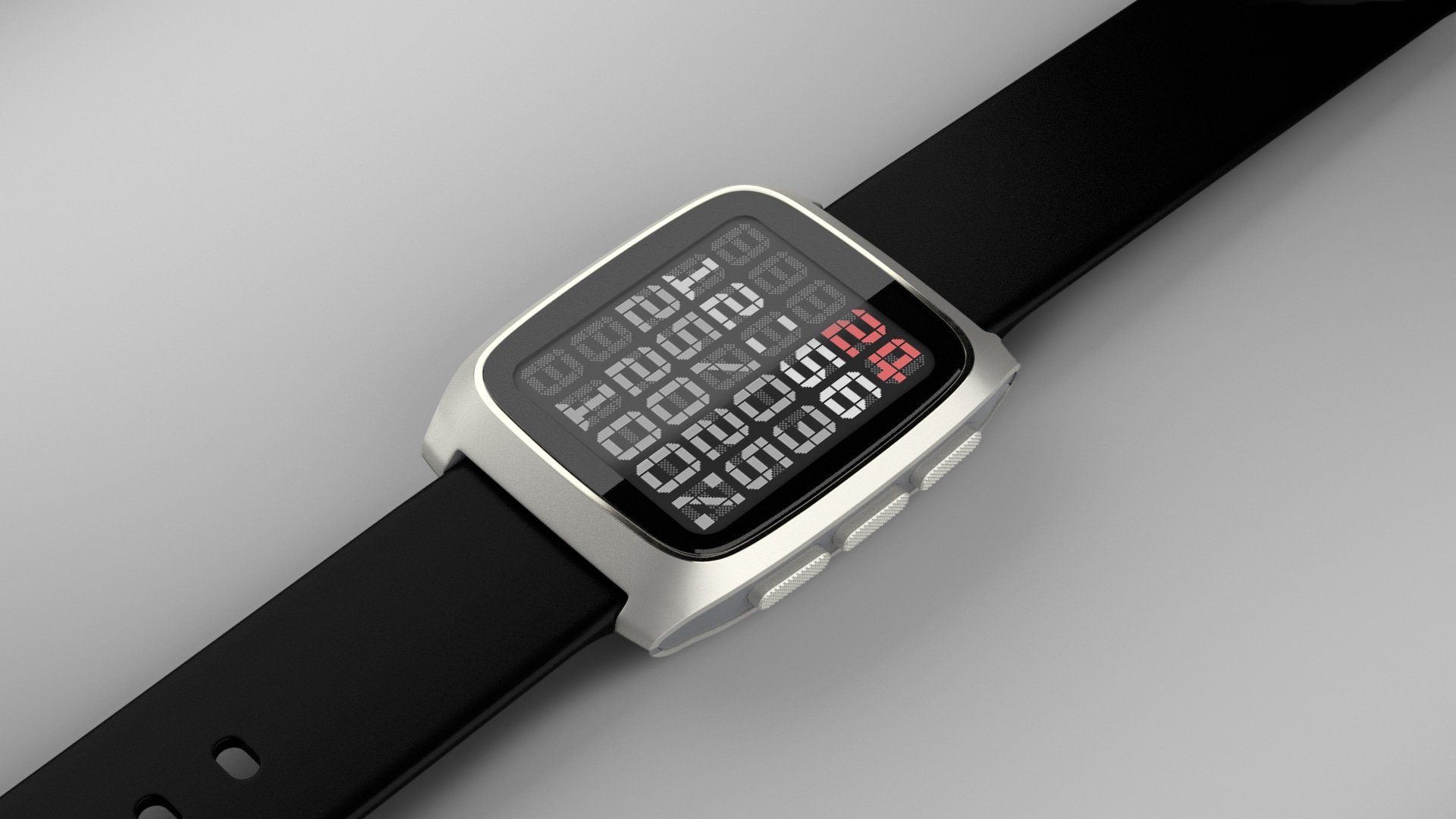
The News: Eric Migicovsky, founder of Pebble and current CEO of Core Devices, has officially unveiled the final design for the Pebble Time 2. The smartwatch features a stainless steel body and includes a 1.5-inch 64-color e-paper touchscreen, a heart rate monitor, and an RGB backlight. It promises a 30-day battery life. Other features include two microphones, a compass, a speaker, a screw-mounted back cover, and a quick-release system for 22mm straps.
The Time 2 is scheduled to ship in December 2025 and is currently available for preorder at $225. Customers who have already ordered the Pebble 2 Duo will be offered the option to switch their order to Time 2 through an upcoming survey.
Pebble Time 2 Returns: Will Long Battery Life Win the Market Back?
Analyst Take: Pebble’s introduction of the Time 2 signals the company’s return to the smartwatch market, putting strong emphasis on design, durability, and extended battery life. This release reflects a deliberate effort to reestablish Pebble’s brand identity by combining its signature e-paper display with newer enhancements such as RGB lighting and a stronger build. The move, generally aimed at reconnecting with longtime users and reintroducing the brand under Core Devices’ direction, also targets design-forward and retro-nostalgic consumers looking for a modern smart watch that offers a different perspective on what a smartwatch can be.
Focus on Form, Function, Differentiation, and Vibes
The Pebble Time 2 is crafted with stainless steel 316 on the front, back, and buttons, taking cues from the Pebble Time Steel while adding knurled textures for a more secure grip. The design has moved away from a curved glass face to a flat, hardened glass surface, which helps reduce glare, improves overall toughness, and delivers a more opinionated, structured aesthetic.
Instead of using a snap-on back, Pebble has opted for screw-mounted covers to boost water resistance and make battery replacements easier. Altogether, the construction and materials show Pebble’s intent to offer a premium product that balances durability with daily practicality, as well as a return to more analog and tactile design for users longing for more traditional and analog design features.
In other words, Pebble 2 isn’t simply an exercise in differentiated design and competitive functionality. It is also an exercise in returning to injecting vibes – for lack of a better term – back into inspired product design.
Extended Battery Life Through E-Paper Display
Staying true to its roots, the Pebble Time 2 relies on e-paper technology to deliver battery life that far exceeds mainstream competitors. It can last up to 30 days per charge compared to the daily recharging cycle common with devices like the Apple Watch. Aesthetic objectives aside, this feature alone is a powerful market differentiator, particularly for consumers still on the fence about dipping their toes into the smartwatch world.
The 1.5-inch 64-color touchscreen remains easily viewable in direct sunlight and consumes less energy than standard LCDs. The added RGB backlight, however, cleverly brings customization options, allowing users to set color-based alerts and personalize the watch’s appearance.
This strategy keeps Pebble distinct in a crowded market by focusing on extremely long battery performance and uniquely personal customizations, in addition to its already singular design aesthetic.
Enhanced Sensors and Interaction Features
The Time 2 packs in several new features, including a heart rate sensor, compass, and dual microphones. (The second microphone is used for environmental noise cancellation, helping improve voice recognition and call clarity.) The onboard compass adds another layer of functionality to the watch despite its deceptively analog design, especially when used with GPS-enabled smartphones. The built-in speaker also lets users handle phone calls and hear alerts directly from the watch. These additions enhance the smartwatch’s capabilities and competitiveness against other smartwatches without compromising its unique design language and styling.
Brand Revival and Customer Options
With the return of the Pebble name, the company is making a clear effort to reconnect with its roots after operating under the Core Devices name. Cleverly, Pebble is inviting community input on the final color options, with four planned choices under consideration, including black, silver, and accented models. This marketing strategy updates the connective tissue between Pebble and its community, refreshes engagement, builds more trust and loyalty for the brand, and promotes word-of-mouth recommendations and message amplification. This is a very smart strategy in a crowded, low-attention, and expensive communications environment often dominated by flashy product announcements and campaigns from big tech competitors.
Customers who preordered the Pebble 2 Duo at $150 will have the option to switch to the Time 2, with shipping scheduled to begin in December 2025.
What to Watch:
- Final confirmation of the four color options following customer input.
- User adoption of the Pebble Time 2 versus the lower-priced Pebble 2 Duo.
- Market reception to extended 30-day battery performance as a differentiator.
- Potential impact of tariffs and fees on final retail pricing.
- Long-term customer response to brand revival under the Pebble trademark.
See the complete blog post on the Pebble Time 2 final design on Eric Migicovsky’s blog.
Disclosure: Futurum is a research and advisory firm that engages or has engaged in research, analysis, and advisory services with many technology companies, including those mentioned in this article. The author does not hold any equity positions with any company mentioned in this article.
Analysis and opinions expressed herein are specific to the analyst individually and data and other information that might have been provided for validation, not those of Futurum as a whole.
Other insights from Futurum:
Meta and Oakley Launch Performance AI Glasses With 3K Video and Built-in Meta AI
Meta, NVIDIA, AMD: CES 2025 Highlights – A Recap from The Six Five Webcast
What CES Means for Data Centers and 2025 Data Infrastructure Predictions – Six Five Webcast
Image Credit: Pebble Store
Author Information

Olivier Blanchard is Research Director, Intelligent Devices. He covers edge semiconductors and intelligent AI-capable devices for Futurum. In addition to having co-authored several books about digital transformation and AI with Futurum Group CEO Daniel Newman, Blanchard brings considerable experience demystifying new and emerging technologies, advising clients on how best to future-proof their organizations, and helping maximize the positive impacts of technology disruption while mitigating their potentially negative effects. Follow his extended analysis on X and LinkedIn.