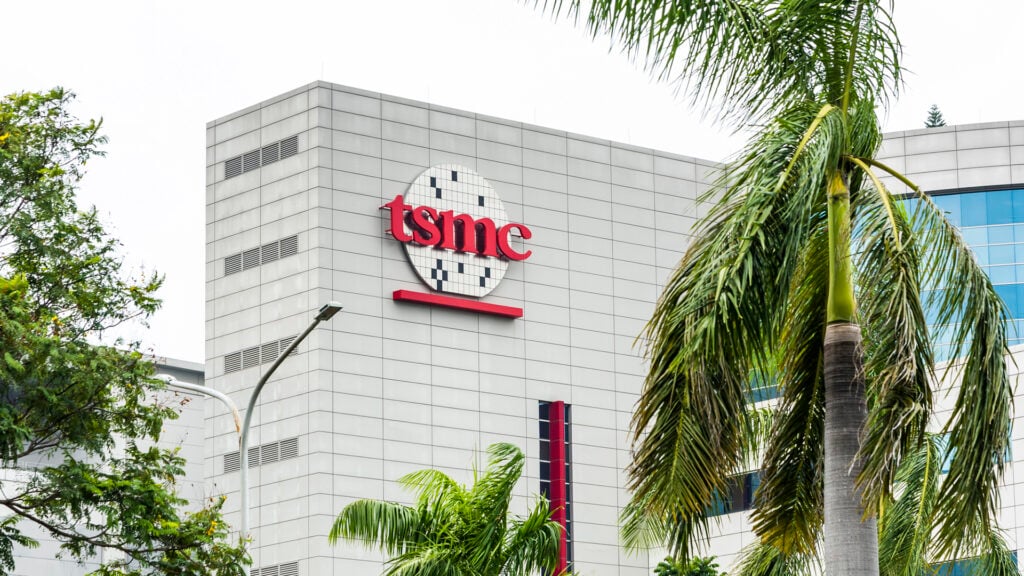
Mitch Ashley, VP and Practice Lead, CIO & Technology Buyers and Software Lifecycle Engineering at The Futurum Group, reviews TSMC's latest earnings, where AI and HPC demand drove a beat...
Vikram Rathnam and Mitch Ashley of The Futurum Research share insights on Harness's LLM security scanning research and why any AI scan should show verdict stability before it can block...
In our latest thought leadership brief, The AI Last Mile Problem, completed in partnership with Snowflake, Futurum Research examines why enterprise AI stalls between pilot and production and lays out...
Vikram Rathnam and Mitch Ashley of The Futurum Group share their analyst insights on Kong Volcano: what it gives developers building AI agents and whether Kong can host agents and...
Mitch Ashley, VP and Practice Lead, CIO and Tech Buyers, and Vikram Rathnam, Research Director, Software Lifecycle Engineering at The Futurum Group, share insights on env zero EZ Control and...
Vikram Rathnam and Mitch Ashley of Futurum Research share insights on The DevOps Standard, why its AI agent governance is a well-built retrofit, and what enterprise leaders and platform vendors...
Mitch Ashley, VP and Practice Lead, CIO & Technology Buyers and Software Lifecycle Engineering at Futurum, shares his insights on NETSCOUT nGenius Copilot and why its September AI sequence puts...
Mitch Ashley, VP and Practice Lead, and Vikram Rathnam, Research Director, Software Lifecycle Engineering at Futurum, on why Docker's Kit spec wins the agent control plane only if Kubernetes and...
Futurum Research’s Mitch Ashley, Nick Patience, and Vikram Rothnam examine how OpenAI used DevDay 2026 to move up the stack, claiming the work surface, the agent runtime, and the pricing...
Nick Patience and Mitch Ashley, VPs and Practice Leads at Futurum, share their insights on NetApp Novus, the planned PEAK:AIO acquisition, and how NetApp is targeting AI factories and the...
In our latest Thought Leadership Brief, When AI Is Everywhere, Data Becomes the Differentiator, completed in partnership with Oracle, Futurum Research examines why industry-specific AI requires industry-specific data and how...
Fernando Montenegro, Mitch Ashley, and Brendan Burke from Futurum analyze NVIDIA's Open Agent Safety Platform, which pairs OpenShell runtime controls with Sentry DPU monitoring to contain AI agents outside their...
The vision behind everything in Futurum’s Custom Research practice is this: research should show you what is happening, what comes next, and what to do about it. It should be personal to each audience, easy for people to grasp, and structured so LLMs can reason over it accurately. And it should be fast and turnkey; you want answers now, not another project to carry for quarters.
Whether you are defining business, channel, or go-to-market strategy; evaluating vendors or justifying ROI; or commissioning research to fill an emerging market need, we have your back, with a program that answers your questions with the objectivity and credibility to drive real decisions.
To do it, we bring unmatched data to bear: Futurum research, surveys, and market projections; validated market feeds; ETR’s 15 years of insight from 10,000 technology decision-makers; G2’s buyer and user data; and what our analysts hear every day. Add leading primary collection, from AI-moderated voice interviews to surveys and analyst-led interviews, all turnkey, and every project comes out credible, nuanced, and actionable.
And we don’t just drop the results in your lap. For internal work, we provide analyst-led sessions, interactive dashboards, and a range of formats. For market-facing work, Futurum delivers turnkey activation and amplification that actually gets seen, by people and by LLMs, through our media and share of voice. This is research that moves decisions and markets.
We will meet you wherever you are, from a fast-turn brief to a multi-year program, and shape the work to your goals, timeline, and budget. The right program for your moment.
Get important insights straight to your inbox, receive first looks at eBooks, exclusive event invitations, custom content, and more. We promise not to spam you or sell your name to anyone. You can always unsubscribe at any time.
Thank you, we received your request, a member of our team will be in contact with you.