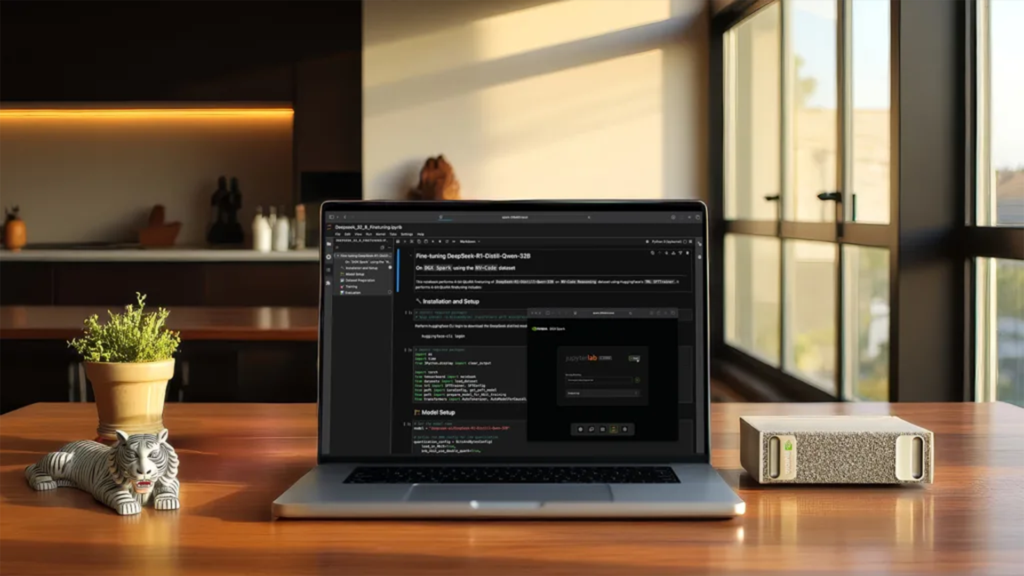
Futurum covers a broad range of AI-enabled consumer and commercial devices. This includes PCs and peripherals, tablets, mobile handsets, XR, hearables and wearables, as well as IoT, IIoT, automotive, and robotics segments. The expansion of AI training and inference from a cloud-centric model to a more hybrid edge-to-cloud model is driving a rapid transformation across the devices segment of the tech stack. With next-gen AI-capable PCs, mobile handsets, and wearables now capable of handling increasingly large AI models, AI and agentic workloads are beginning to expand from thermally expensive cloud-based silicon to the more thermally efficient silicon powering AI-capable consumer and commercial devices.
The next 6 to 12 months will see a significant acceleration in AI capabilities in devices, and will see the start of an expansion towards physical AI, which includes robotics. This transition will disrupt not only core device segments but the entire technology ecosystem around them as silicon vendors, cloud service providers (CSPs), independent software vendors (ISVs), and their partners adapt to new use cases, form factors, and hybrid, interwoven AI services models.
Additionally, the Intelligent Devices practice will also work with adjacent practices to 1) clearly map how AI orchestration will work across platforms and form factors up and down the entire technology stack, 2) validate the roadmaps of the most critical vendors in the accelerating robotics segment, and 3) quantify potential impacts of memory and storage supply chain constraints on key AI device segments.
When working on strategy, product, marketing, and sales initiatives, consider intelligence from our expert analysts – planned deliverables for 2026 include:
- Market Data – bi-annual market sizing & five-year forecast
- Decision-Maker Survey – bi-annual IT Decision Maker survey
- Analyst Insight Report – a report on critical issues in the industry
- State of the Market Report – a report on technology, markets, products, and vendors
- Futurum Signal Report Access – any Signal Report published in the relevant practice area