

First of all, I really like the luxury-focused branding and UX that @Moto is taking with its flagship line. But also, I don't hate that busy camera clusters make phones look like friendly little ...jumping spiders.

Engineered to the highest standards. Be the first to know.
September 22, 2026.
#SnapdragonSummit
It wasn't so long ago that a small cadre of analysts was having discussions about AMD's potential and trajectory, even as the Street kept misunderstanding both.
AI inference is going to do for @AMD ...what AI training did for @NVIDIA.
Glad to be right about this one too.

$AMD JUST BECAME A $1 TRILLION COMPANY
Agentic friction point. The plot thickens.

$AMZN just blocked $META Muse from shopping on its website saying agent violates its terms while Meta says Muse never sees passwords or payment details.
Wild to see AI agents already starting to sit between consumers and checkout putting discovery and ads up for grabs.
Signals popping up everywhere.

$QCOM +8%
Qualcomm is rallying after unveiling a new AI data-center interconnect architecture with Lumentum and Corning, aimed at high-bandwidth, low-power chip-to-chip connectivity.
The move also comes ahead of this week’s Snapdragon Summit, where Qualcomm is expected to
Perfect timing: My colleague @BrendanBurkeX explains why we're suddenly talking a lot more about interconnects, and why they are becoming so important to the AI industry.
Muse is a hot new product for sure. Meta’s billion agent user vision has been the catalyst behind a lot of their silicon diversification this year.
But when Ian Buck $NVDA gets up and says they’re designing for thousands of sub-agents instead of the four in the AgentX benchmark
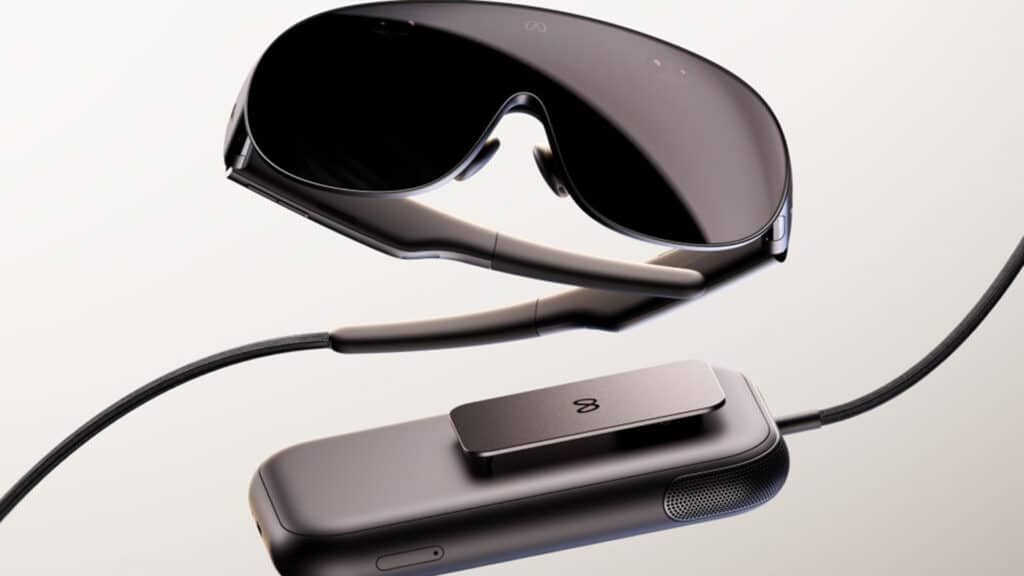
Problem/Opportunity: Really hoping that @qualcomm will announce new privacy and safety features for its @snapdragon AR platform refresh. If this isn't addressed at the platform level, and fast, ...demand for smart glasses will hit a wall that could have been avoided.
‘Pervert glasses.’ Thousands of lawsuits. Mark Zuckerberg wants to sweep it all away with a new bid on AI. https://www.theverge.com/cs/features/991659/meta-mark-zuckerberg-future-glasses-ai-instagram
I have a hunch that you're going to be hearing a lot more about optical interconnects over the next few months.
Interesting announcement from @Lumentum:
https://go.tantraanalyst.com/cn5wRe
The optical #interconnect interest for #DataCenter is growing by the minute. Tech being demoed with @Qualcomm & @Corning is impressive.... potential to go up to 4Tb/s/mm...
Another good market now @qcom has
And since Googlebooks aim to provide a frictionless Android experience across Mobile, PC and other devices (à la Apple, but for the Android ecosystem), it makes perfect sense that @Qualcomm should ...lead the way. The @snapdragon platform is perfect for the job.
Googlebooks powered by @Snapdragon are here. Gemini Intelligence, thousands of native @Android apps and games, and cross-device experiences with your Snapdragon-powered phone. Congrats to @Google, @Dell and @HP!
Solid pairing: @Snapdragon X and @Google's new Googlebook PC platform. This might be a very good fit for SnapdragonX, actually, especially in some of the higher end Googlebook SKUs that emphasize ...long battery life.
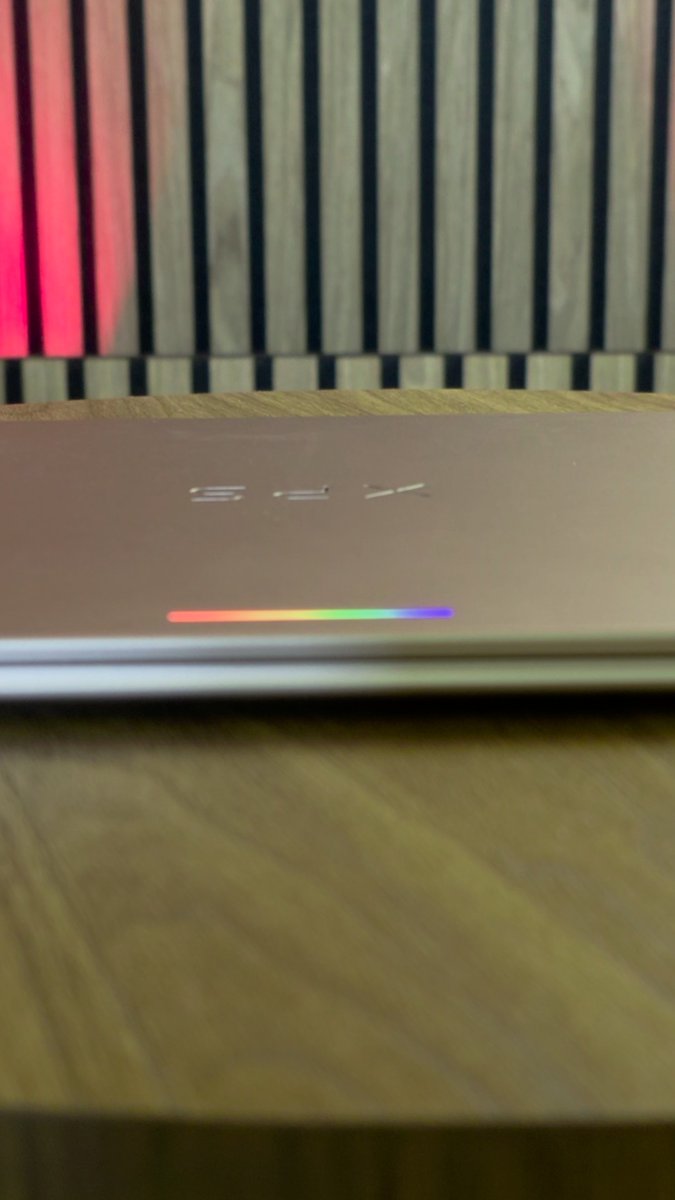
Stay one step ahead. Meet the all-new #Googlebook powered by #SnapdragonXSeries. Designed for google Gemini Intelligence, it combines premium performance, proactive help, and seamless Android experiences to keep you in your flow. https://bit.ly/4cYxD0A
AMD has followed up its Advancing AI data release with a new blog and a white paper on EPYC Venice that attempts to put real detail behind the claims first made on stage in July. The 2.24x platform ...and 1.2x per-core advantages over NVIDIA Vera in SPECrate 2026 Integer now come







VP, Custom Research · The Futurum Group


