The Six Five team discusses what’s to come with Intel’s IDM 2.0.
If you are interested in watching the full episode you can check it out here.
Disclaimer: The Six Five Webcast is for information and entertainment purposes only. Over the course of this webcast, we may talk about companies that are publicly traded and we may even reference that fact and their equity share price, but please do not take anything that we say as a recommendation about what you should do with your investment dollars. We are not investment advisors and we do not ask that you treat us as such.
Transcript:
Daniel Newman: There was a press release that came out from none other than Pat Gelsinger with Intel. Talking and reiterating about the company’s plans for IDM 2.0. Amidst the changing economic tides we’ll talk about later in the show. What’s cooking there?
Patrick Moorhead: IDM 2.0 is the moniker that Intel uses. IDM is integrated device manufacturer. That means you’re a designer and you’re a manufacturer. IDM 2.0 was where, first of all, they opened up IFS. Or they opened up their own foundry. Now, they’ve had foundry capabilities before, but they’re serious about it. They’re going to spend hundreds of billions of dollars to do this, to get the scale that it takes to do leading-edge nodes, and have the scale so your costs are low.
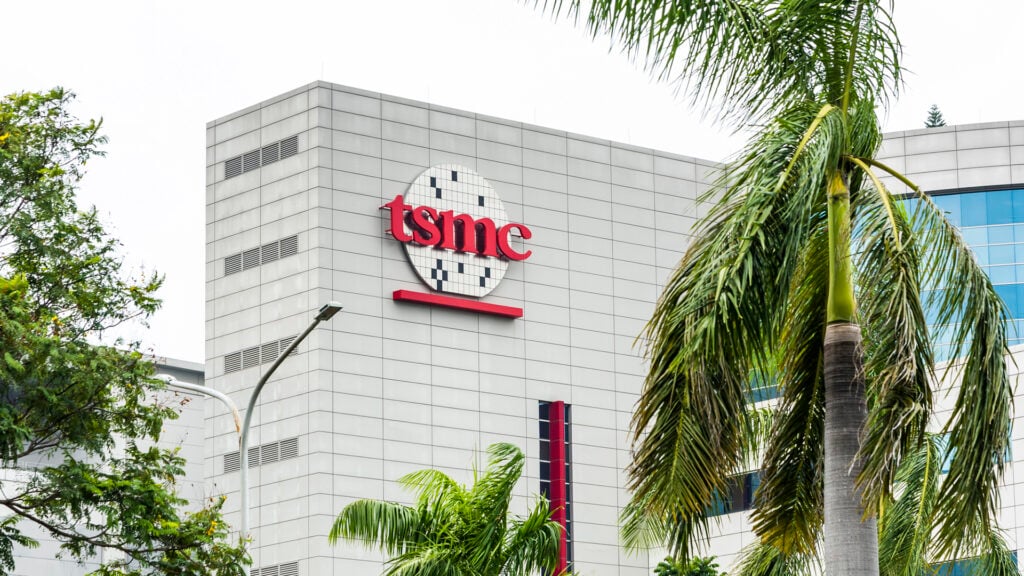
The other part of IDM 2.0 was using other foundries in a bigger way. Intel had always used other foundries. Particularly, TSMC. But typically, for less strategic silicon. You have TSMC in some of Intel’s newest products doing the GPU tiles. That’s a huge shift from what it was before. What’s new? You saw for years that the company was focused on the tech and the investment.
You and I both talked to Pat Gelsinger back at their Intel Innovation event, and he was very clear and he doubled down and said, “Five nodes in four years.” That’s the tech. We’ve talked about the funding and the hundreds of billions of dollars that Intel will not only invest themself. They also are sharing risk with a firm that the name escapes me. They’re also getting money.
Daniel Newman: They’re about smart financing.
Patrick Moorhead: Smart financing. They’re also getting funding from government. CHIPS Act in the US. They’re getting money in Western Europe. Once you get that in place, now you have to productize it. You have to make it work in your company. My biggest takeaways from the memo is, first of all, they’ve put together a committee. They’ve put Stu Pann, who’s reporting right into CFO, Zinsner.
Essentially, putting an even playing field between the external foundry and the internal fab. Let’s say, you run the client desktop business and you can choose which foundry you go to. Are you going to use Intel internal? Or are you going to use TSMC or Samsung? I think it’s a big deal. It’s actually productizing and enabling the technology, which we really hadn’t heard details from before.
Daniel Newman: Pat, I think we’re in a moment where communications matter. The market’s a little spooked and Intel hasn’t really benefited from when the market wasn’t. It’s been a really difficult time in terms of perception, and it’s been driven by execution. I think Pat and his leadership team, not you, Pat- Pat Gelsinger. Big Pat. That’s how we do it when we see you two together. He really wants to make sure that he’s articulating two groups. We’ve seen a lot of articulation to the market, but also this internal communication.
There’s been some discussions of layoffs at Intel. It’s now that you really have to unify the culture of a company and say, “Hey. We still believe.” Not only do we believe, because I think that speak has been somewhat commonplace over the last couple years, but we have a plan. Here is the plan. And so, having an IAO or acceleration office that basically says, “This is our plan. We are steadfast in executing this plan.” An execution reminder. And that we have personnel with great capabilities and competencies to make sure this plan stays on track, which is what everyone in the market is going to want to hear.
And then, of course, being very articulate in the benefits of this strategy. Meaning the foundry-fab relationship should give Intel some unique advantages. The ability to step-process. The ability to expand capacity. The ability to identify where the leadership comes from internal, versus where maybe process leadership might want to come from external. And then, leveraging all of those potential opportunities to be successful. And then, of course, the company making sure it’s clear that, “Hey. We’ve got a plan to win with our internal process with our five-and-four strategy.”
Now, you’ve got me turning around. And then, on top of that, with the advent of risk, the advent of harm. Saying, “Hey. We’ve got a plan to make sure that we are going to capitalize even in processes that aren’t Intel-led design.” And so, the market needs to hear it. But more importantly, right now, I think the employees needed to hear it.
It was a good solid. By the way, brevity matters. It was brief. It was not long. It was not something that you had to spend two hours sifting through. It was quick, it was to the point, it was articulate. It was clear. I think us as analysts and hopefully employees of Intel, see it, get it, and know. Like everything we say with Intel fab, and I reiterate, “Proof will be in the pudding.” We’ll see how the execution goes, but these continued communications are promising.
Author Information

Daniel is the CEO of The Futurum Group. Living his life at the intersection of people and technology, Daniel works with the world’s largest technology brands exploring Digital Transformation and how it is influencing the enterprise.
From the leading edge of AI to global technology policy, Daniel makes the connections between business, people and tech that are required for companies to benefit most from their technology investments. Daniel is a top 5 globally ranked industry analyst and his ideas are regularly cited or shared in television appearances by CNBC, Bloomberg, Wall Street Journal and hundreds of other sites around the world.
A 7x Best-Selling Author including his most recent book “Human/Machine.” Daniel is also a Forbes and MarketWatch (Dow Jones) contributor.
An MBA and Former Graduate Adjunct Faculty, Daniel is an Austin Texas transplant after 40 years in Chicago. His speaking takes him around the world each year as he shares his vision of the role technology will play in our future.