Analyst(s): Ron Westfall
Publication Date: August 14, 2024
The News: Marvell, a provider of data infrastructure semiconductor solutions, announced that Microsoft will update its fleet of LiquidSecurity hardware security modules (HSMs) to the FIPS 140-3, Level-3 standard to further enhance its internal security posture and the portfolio of security services offered to its customers.
Black Hat 2024: Marvell Secures Microsoft LiquidSecurity HSM Update
Analyst Take: Marvell Technology, Inc. unveiled that Microsoft has committed to updating its fleet of LiquidSecurity HSMs to the FIPS 140-3, Level 3 standard building on its existing relationship comprising of Azure using the Marvell family of LiquidSecurity hardware security modules (HSMs) to perform encryption, key management, and other security functions.
Marvell LiquidSecurity 1 and LiquidSecurity 2 HSMs achieved FIPS 140-3 Level-3 certification from the National Institute of Standards and Technology (NIST) in June 2024. Stringent FIPS 140-3 certification is required by many financial institutions and government organizations and, to date, has largely been available only with traditional HSMs for on-premises use.
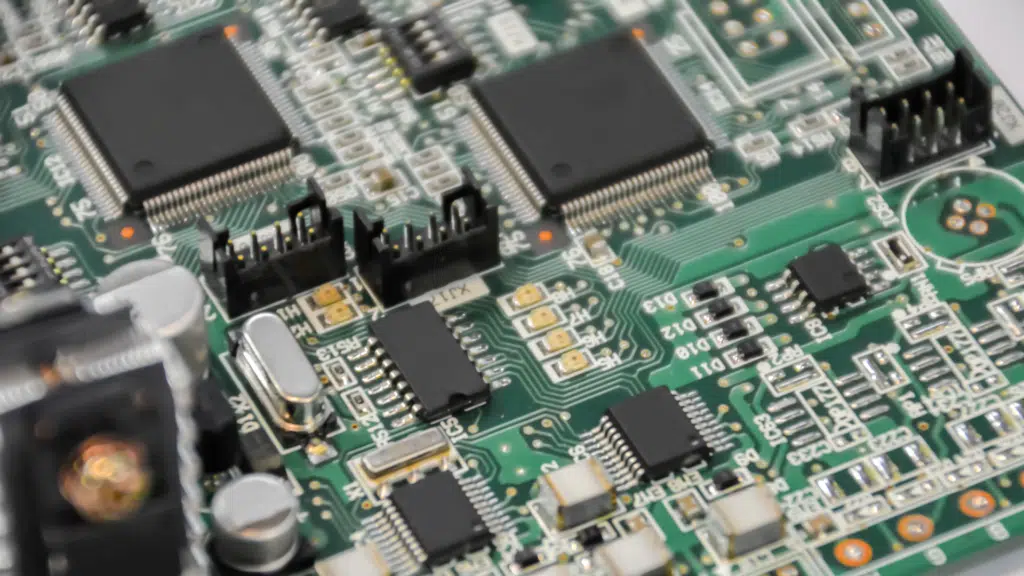
The LiquidSecurity 2 (LS2) solution is aimed primarily at supporting enterprise HSM users in their journey from on-premise HSM implementation to multi-cloud and private cloud environments. Today, the Marvell LiquidSecurity platform is already deployed extensively across large enterprise and cloud service provider environments (i.e., Azure) and is integral in their development of HSM-as-a-service for encryption, authentication, and secure key management. LiquidSecurity HSMs are PCIe-based devices powered by OCTEON DPUs and designed for use in dense multi-tenant cloud environments. In addition to HSM-as-a-service and HSM-backed encryption key vault, key use cases include securing and authenticating users for payment processing and securing user data backup from mobile devices.
HSMs are specialized devices for key management, encryption, and authorization with private keys stored and operated in tamper-resistant FIPS-certified hardware. However, traditional HSM solutions typically cost $10K to $40K and are primarily on-premises requiring extra handling and care, which also impedes broader adoption. By purpose-building HSM solutions for public and private clouds, I anticipate that use cases and user adoption can swiftly broaden.
Today six of the ten largest cloud service providers use LiquidSecurity in their operations. A single LiquidSecurity2 card can manage 100,000 pairs of encryption keys and process more than one million operations per second. Specifically, hyperscaler HSM solutions, such as Azure Key Vault Managed HSM, AWS CloudHSM, Key Management with OCI Vault, and Alibaba Data Encryption Service, are broadening ecosystem-wide awareness and adoption.
As a result, cloud service providers can deliver HSM services while consuming a fraction of the power, rack space, and hardware required by traditional HSMs. Meanwhile, HSM users can switch from the complexity of managing hardware to the ease of subscribing to HSM services. The cloud-based model for HSMs also reduces barriers to employing HSM and encryption services for secure medical records and other transactions.
Key Takeaway: Marvell LiquidSecurity 2 Cloud HSMs Rise to Meet the Cybersecurity Challenge
Overall, I find that the Marvell attaining NIST FIPS 140-3, Level-3 certification for its LiquidSecurity HSMs bolster its portfolio credentials across the cybersecurity ecosystem. The move strengthens Marvell’s ability to fulfill growing ecosystem demand for more robust security of mission-critical data and applications using hardware-backed encryption and key management, especially as security, privacy, and compliance risks continue to escalate.
Read the full press release on the Marvell website.
Disclosure: The Futurum Group is a research and advisory firm that engages or has engaged in research, analysis, and advisory services with many technology companies, including those mentioned in this article. The author does not hold any equity positions with any company mentioned in this article.
Analysis and opinions expressed herein are specific to the analyst individually and data and other information that might have been provided for validation, not those of The Futurum Group as a whole.
Other Insights from The Futurum Group:
Marvell Q1 Fiscal 2025: Custom AI Silicon Plays the Starring Role
Marvell Right Sizes AEC Connections to Meet New AI Acceleration Demands
Marvell Pumps up the Teralynx 10 Ethernet Switch Volume
Author Information

Ron is an experienced, customer-focused research expert and analyst, with over 20 years of experience in the digital and IT transformation markets, working with businesses to drive consistent revenue and sales growth.
Ron holds a Master of Arts in Public Policy from University of Nevada — Las Vegas and a Bachelor of Arts in political science/government from William and Mary.