The News: This week, Intel introduced a first-of-its-kind semiconductor co-investment program. The semiconductor company will initially partner with Brookfield Asset Management to fund up to $30 billion for two of Intel’s chip factories in Chandler, Arizona. The additional funds will provide for more manufacturing build-outs. Read more in the Press Release from Intel.
Intel Introduces First-of-its-Kind Semiconductor Co-Investment Program
Analyst Take: Intel, in the wake of the passage of the Chips Act is furthering its commitment to scaling semiconductor production onshore while also showing it is being financially prudent in how it allocates capital to continue its ambitions like IDM 2.0 and IFS.
Semiconductor Production Requires Money — and Lots of It
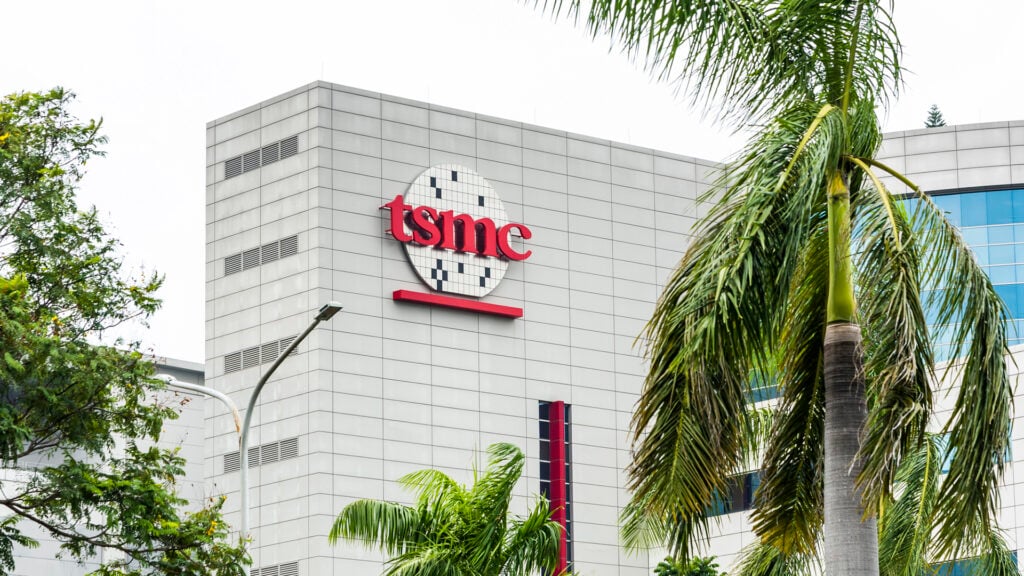
Since Pat Gelsinger has returned to the Intel’s helm, the company has been pushing an aggressive IDM 2.0 strategy to expand production manufacturing in the U.S. and Europe. And while semiconductor manufacturing remains one of the most capital-intensive industry, Intel has been letting their investments do the talking—being opportunistic to the growing awareness caused by the chip shortage and the national security sensitivities caused by our disproportionate dependence on the far east (Taiwan) for semiconductors.
In terms of the Smart Capital Program, it has certainly been guided by Intel’s newly minted CFO, David Zinsner, who joined recently from Micron and was touted to be able to help the company be more efficient in its use of capital and financial engineering. Undoubtedly, Zinsner is seeking to be a breakthrough in the company’s goal of both pioneering greater domestic manufacturing while also managing the cash-intensive nature of being both a manufacturer and designer of next generation semiconductors. This challenge is even more important with the weight of competition causing challenges for Intel’s market perception and has dragged on the company’s share price over the past few years.
Moving the Market Forward
Still, the only thing that matters is now is how the market develops moving forward. This is a world heavily reliant on digital products — that isn’t going to change. For Intel and the tech world at large this means more chips, more demand, and the need for more capacity. This is good for the industry, and it should be good for Intel.
One of the great things about the Intel/Brookfield partnership is that it allows Intel to preserve debt capacity for other types of projects and development. And, the deal gives Intel majority ownership of the investments, which is key. All in all, the partnership sets the U.S. market up for some much-needed catch-up in manufacturing capacity. And the temporary normalization in chip demand in the market is a solid time provides just a small and expectedly short window for semiconductor companies to refocus, regroup, and implement strategies for the next wave of growth.
Disclosure: Futurum Research is a research and advisory firm that engages or has engaged in research, analysis, and advisory services with many technology companies, including those mentioned in this article. The author does not hold any equity positions with any company mentioned in this article.
Analysis and opinions expressed herein are specific to the analyst individually and data and other information that might have been provided for validation, not those of Futurum Research as a whole.
Other insights from Futurum Research:
Intel Q2 2022: The Good, The Bad, and the CHIPS Act
Intel MediaTek Chip Partnership Will Drive Global Production
Intel x86 vs. Arm: The Most Important Selection Criterion – New Futurum Research Report
Image Credit: Inc. Magazine
Author Information

Daniel is the CEO of The Futurum Group. Living his life at the intersection of people and technology, Daniel works with the world’s largest technology brands exploring Digital Transformation and how it is influencing the enterprise.
From the leading edge of AI to global technology policy, Daniel makes the connections between business, people and tech that are required for companies to benefit most from their technology investments. Daniel is a top 5 globally ranked industry analyst and his ideas are regularly cited or shared in television appearances by CNBC, Bloomberg, Wall Street Journal and hundreds of other sites around the world.
A 7x Best-Selling Author including his most recent book “Human/Machine.” Daniel is also a Forbes and MarketWatch (Dow Jones) contributor.
An MBA and Former Graduate Adjunct Faculty, Daniel is an Austin Texas transplant after 40 years in Chicago. His speaking takes him around the world each year as he shares his vision of the role technology will play in our future.